
When it comes to choosing the right food for your furry friend, it can be overwhelming with all the options available in the market. One popular trend in dog nutrition is the use of grain-free dog food, which has gained significant attention in recent years. As a responsible dog owner, it’s essential to understand the benefits and drawbacks of grain-free dog food to make an informed decision for your pet’s health. If you’re looking for a reliable source of information on dog nutrition, visit our website on dog nutrition for more insights.
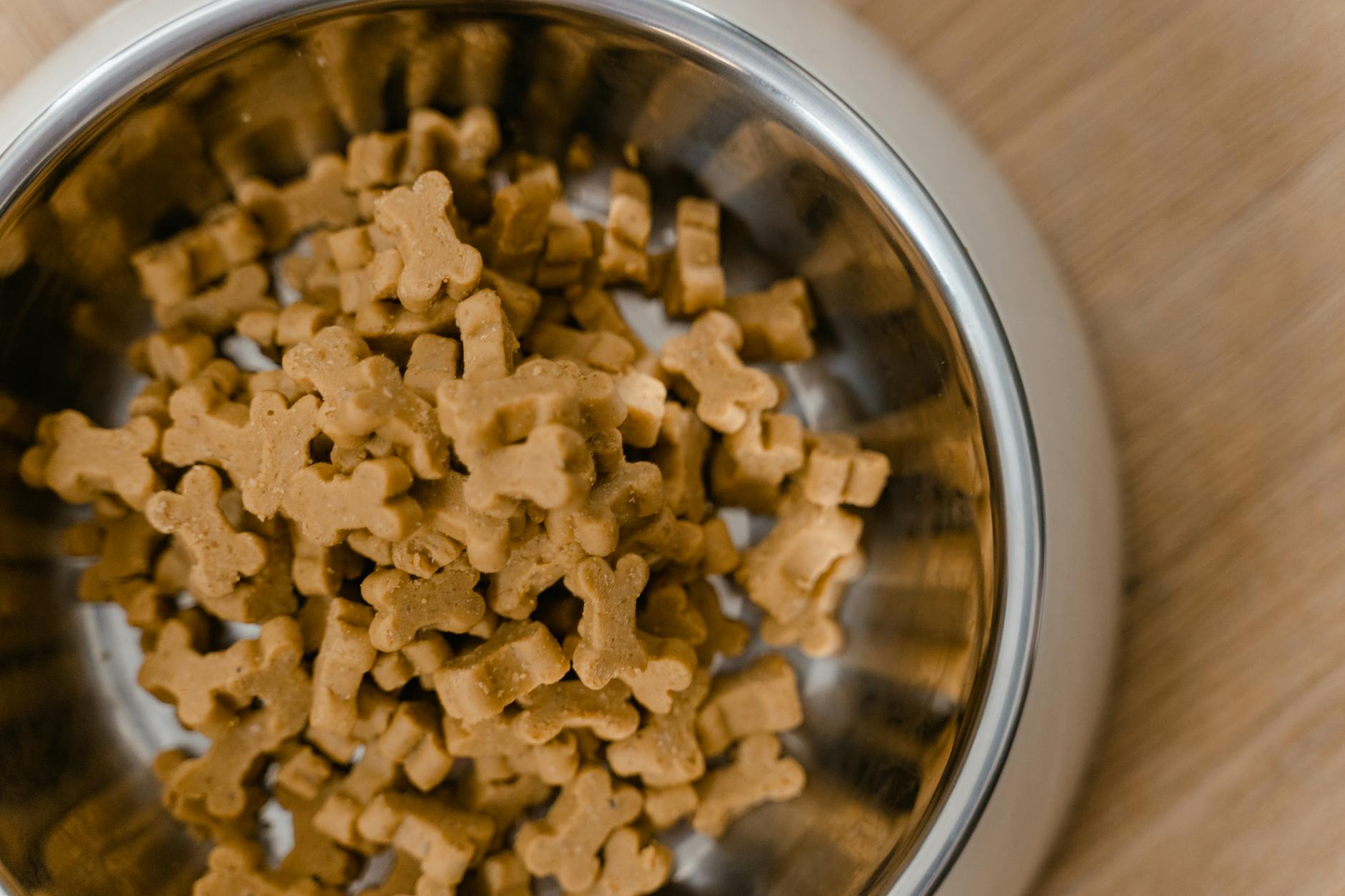
The concept of grain-free dog food revolves around the idea of excluding grains, such as wheat, corn, and soy, from your dog’s diet. Proponents of grain-free dog food argue that these ingredients can cause allergies, digestive issues, and other health problems in dogs. On the other hand, some experts claim that grains can provide essential nutrients and fiber, which are vital for a dog’s overall health. To better understand the benefits of alternative diets, you can also explore the raw dog food benefits and how they compare to traditional grain-based dog foods.
As a dog owner, it’s crucial to read and understand the labels on your dog’s food to make informed decisions. Learning about reading dog food labels can help you identify the ingredients, nutritional content, and potential allergens in your dog’s food. This knowledge will enable you to choose the best grain-free dog food that suits your dog’s specific needs and health requirements.
What are the Benefits of Grain-Free Dog Food?
Grain-free dog food has been linked to several potential health benefits, including improved digestion, reduced allergy symptoms, and increased energy levels. Some dog owners also report that their pets have shinier coats and healthier skin after switching to grain-free dog food. However, it’s essential to note that these benefits may vary depending on the individual dog and the specific ingredients used in the grain-free dog food. Adding fruits and vegetables for dogs can also provide essential nutrients and fiber, which can complement the benefits of grain-free dog food.
What to Look for in Grain-Free Dog Food
When selecting a grain-free dog food, it’s crucial to look for high-quality protein sources, such as chicken, salmon, or lamb, and whole vegetables like sweet potatoes, carrots, and green beans. Avoid fillers and by-products, which can be low in nutritional value and may cause digestive issues. Additionally, consider the importance of probiotics for dogs in supporting a healthy gut and immune system. Always check the ingredient list and nutritional content to ensure that the grain-free dog food meets your dog’s dietary needs.
Potential Drawbacks of Grain-Free Dog Food
While grain-free dog food may offer several benefits, there are also potential drawbacks to consider. Some grain-free dog foods may be high in fat, which can lead to weight gain and other health problems. Additionally, the absence of grains can result in a lack of essential nutrients, such as fiber and certain vitamins. According to a study by the FDA, there may be a link between certain grain-free dog foods and an increased risk of canine dilated cardiomyopathy. As with any significant change to your dog’s diet, it’s essential to consult with your veterinarian before switching to grain-free dog food.
In conclusion, grain-free dog food can be a viable option for dog owners looking to provide their pets with a unique dietary approach. However, it’s crucial to weigh the potential benefits and drawbacks and consider your dog’s individual needs and health requirements. By making informed decisions and consulting with your veterinarian, you can provide your dog with the best possible nutrition and care. For more information on dog nutrition and health, visit our website and explore our resources on grain-free dog food and other related topics.