
Agility training is an exciting and challenging way to engage with your dog, promoting physical and mental well-being for both of you. This dynamic activity involves navigating obstacle courses, which can range from simple tunnels and jumps to complex weave poles and contact equipment. As a beginner, it’s essential to understand the basics of agility training and how to introduce your dog to this fun and rewarding activity. Whether you’re looking to improve your dog’s physical fitness or simply want to strengthen your bond, agility training is an excellent choice.
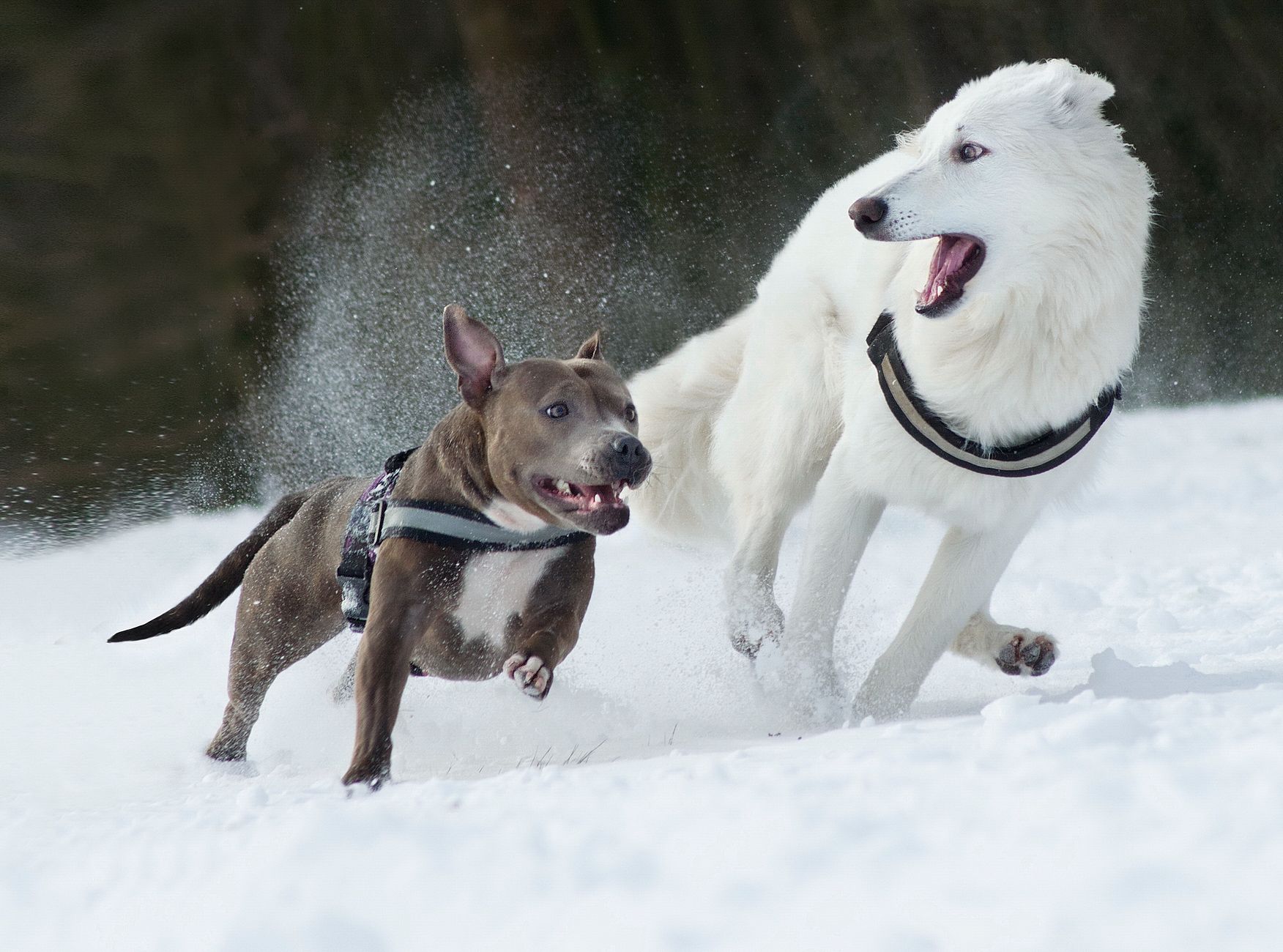
Before diving into agility training, it’s crucial to ensure your dog has a solid foundation in basic obedience commands. This includes understanding and responding to cues such as “sit,” “stay,” and “come.” For those who have already mastered these fundamentals, advanced obedience commands can further enhance your dog’s responsiveness and discipline. Additionally, for advanced dog training experienced owners, activities like agility training can be a great way to challenge and engage your dog.
Agility training not only provides physical exercise but also mental stimulation, which is vital for a dog’s overall health and happiness. As you progress in your agility training journey, you might also consider incorporating other dog training techniques, such as scent work dog training or clicker training, to create a well-rounded training regimen.
Introduction to Agility Training Equipment
Agility training involves a variety of equipment designed to test a dog’s speed, agility, and obedience. Common obstacles include tunnels, jumps, weave poles, contact equipment like A-frames and dog walks, and pause boxes. Understanding how to safely introduce your dog to each piece of equipment is crucial for a positive and successful agility training experience. It’s also important to remember that agility training should be fun for both you and your dog, so always prioritize enjoyment and safety.
Benefits of Agility Training
Beyond the obvious physical benefits, agility training offers numerous advantages for dogs and their owners. It enhances the bond between dog and handler, improves communication, and provides an outlet for mental and physical energy. Agility training can also help with behavioral issues by channeling a dog’s natural instincts into productive and enjoyable activities. For those interested in learning more about the theoretical aspects of dog training and behavior, resources such as agility training books can offer valuable insights and practical advice.
Getting Started with Agility Training
To begin agility training, you don’t necessarily need access to a full-scale agility course. Simple obstacles can be set up in your backyard or even indoors, depending on the space available. Start with basic obstacles like tunnels and small jumps, gradually increasing the difficulty as your dog becomes more confident and skilled. It’s also a good idea to enroll in agility training classes, where professional instructors can provide guidance, support, and a safe environment for you and your dog to learn and grow.
Some key tips for beginners include:
- Always warm up your dog before training to prevent injuries.
- Use positive reinforcement techniques, such as treats and praise, to encourage good performance.
- Be patient and don’t rush the learning process; every dog learns at their own pace.
- Focus on building a strong foundation in basic agility skills before moving on to more complex obstacles.
In conclusion, agility training is a fantastic way to engage with your dog, promoting health, happiness, and a deeper connection between you. Whether you’re a seasoned dog owner or just starting out, the world of agility training has something to offer everyone. So why not give it a try? With patience, practice, and positive reinforcement, you and your dog can enjoy the many benefits and joys of agility training together.