
As a dog owner, maintaining your canine companion’s overall health is crucial, and one essential aspect of their well-being is their coat. Regular canine coat health checks can help identify potential issues before they become major problems. A healthy coat is not only aesthetically pleasing, but it also plays a vital role in protecting your dog’s skin and overall health. By incorporating regular coat checks into your dog’s grooming routine, you can help prevent skin irritations, reduce shedding, and even detect potential health issues early on.
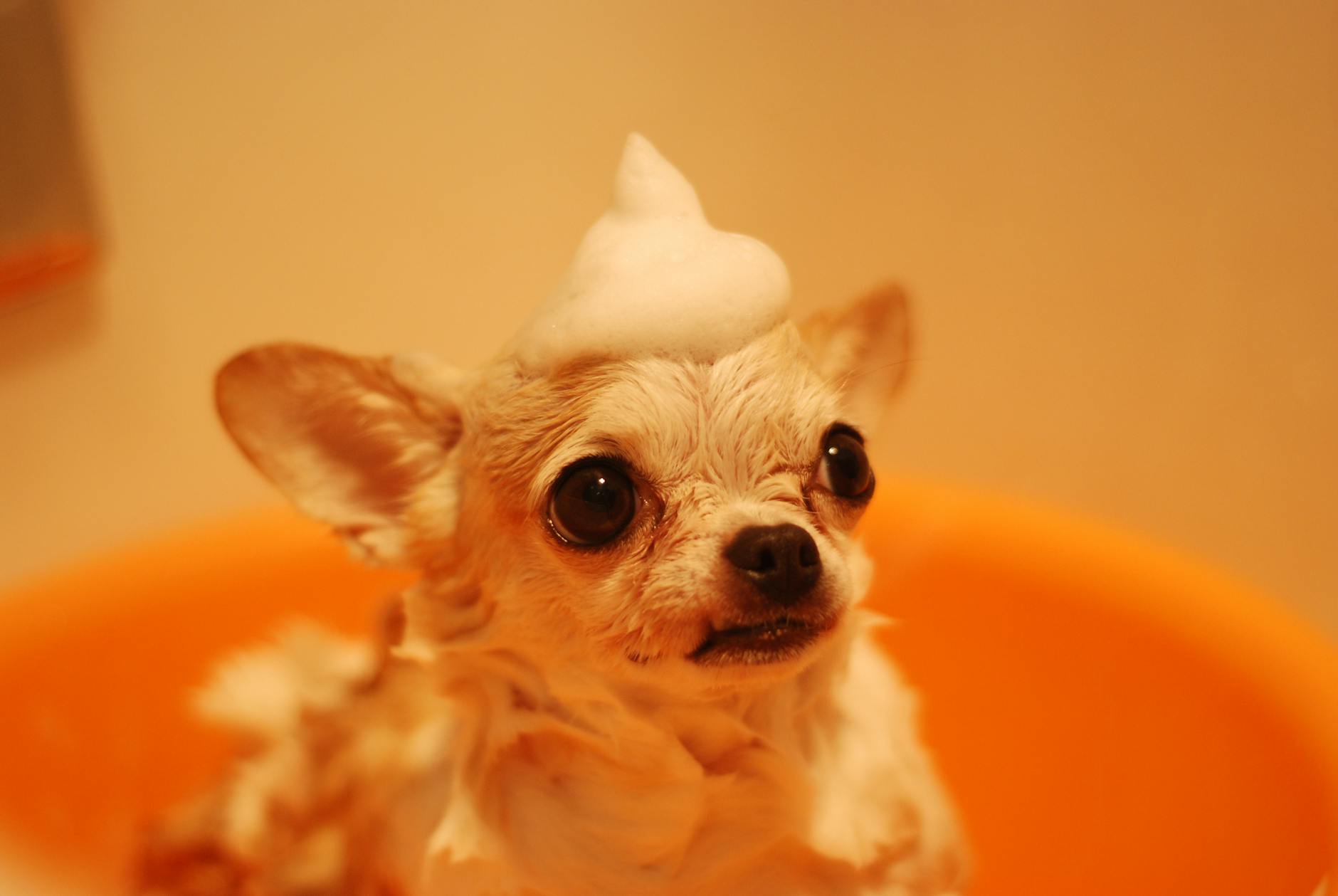
Regular canine coat health checks involve inspecting your dog’s coat for any signs of damage, matting, or irritation. This can be done during regular grooming sessions, such as brushing or bathing. By paying close attention to your dog’s coat, you can identify potential issues early on and take corrective action to prevent them from becoming more serious. Additionally, a healthy coat can also be an indicator of your dog’s overall health, with a shiny, well-maintained coat often being a sign of good nutrition and overall wellness.
For more information on canine coat health, it’s essential to consider the specific needs of your dog’s breed. Different breeds have unique coat types and requirements, and understanding these needs can help you provide the best possible care for your dog. You can learn more about dog coat care by breed and how to tailor your grooming routine to meet your dog’s specific needs.
Understanding Canine Coat Health
A healthy coat is not just about looks; it’s also an indicator of your dog’s overall health. A dog with a healthy coat is more likely to have a strong immune system, good nutrition, and proper hydration. On the other hand, a dog with a dull, brittle, or irritated coat may be experiencing underlying health issues. Regular canine coat health checks can help identify potential problems early on, allowing you to take corrective action and prevent more serious issues from developing.
Some common issues that can affect a dog’s coat include skin irritations, allergies, and parasites. These issues can cause discomfort, itching, and even pain for your dog, and if left untreated, can lead to more serious health problems. By incorporating regular coat checks into your dog’s grooming routine, you can help identify these issues early on and take steps to prevent them.
Factors Affecting Canine Coat Health
Several factors can affect a dog’s coat health, including nutrition, hygiene, and genetics. A balanced diet that includes essential nutrients such as omega-3 fatty acids, vitamins, and minerals is crucial for maintaining a healthy coat. Regular grooming, including brushing, bathing, and nail trimming, can also help keep your dog’s coat clean and healthy. Additionally, some breeds are more prone to certain coat-related issues, and understanding these genetic factors can help you provide the best possible care for your dog.
For example, some breeds are more prone to shedding, while others may be more susceptible to skin irritations. By understanding these factors, you can tailor your grooming routine to meet your dog’s specific needs and help maintain their overall health. You can also learn more about how aging dog coat health can be affected by these factors and how to provide the best possible care for your aging dog.
Maintaining Canine Coat Health
Maintaining your dog’s coat health requires regular grooming, a balanced diet, and a clean living environment. Regular brushing can help remove tangles and mats, while also distributing natural oils throughout the coat. Bathing and nail trimming can also help keep your dog’s coat clean and healthy. Additionally, providing a balanced diet that includes essential nutrients can help support your dog’s overall health and maintain their coat health.
For more information on dog care and coat health, you can consult resources such as Dog heraldry, which provides a comprehensive guide to dog care and coat health. By following these tips and maintaining regular canine coat health checks, you can help keep your dog’s coat healthy, shiny, and well-maintained.
In conclusion, maintaining your dog’s canine coat health is essential for their overall well-being. By incorporating regular coat checks into your dog’s grooming routine, you can help identify potential issues early on and take corrective action to prevent them from becoming more serious. By understanding the factors that affect coat health and taking steps to maintain your dog’s coat, you can help keep them healthy, happy, and looking their best.
- Regular grooming, including brushing, bathing, and nail trimming
- A balanced diet that includes essential nutrients such as omega-3 fatty acids, vitamins, and minerals
- Understanding the specific needs of your dog’s breed and tailoring your grooming routine accordingly
- Providing a clean living environment and regular exercise
- Regular canine coat health checks to identify potential issues early on