
Canine communication is a fascinating topic that has gained significant attention in recent years. Understanding how dogs communicate with each other and with humans is crucial for building strong relationships and addressing dog behavior problems. By studying canine communication, we can gain insights into the complex social behaviors of dogs and develop effective strategies for training and behavior modification. In this article, we will delve into the world of canine communication, exploring the various ways in which dogs convey information and express themselves.
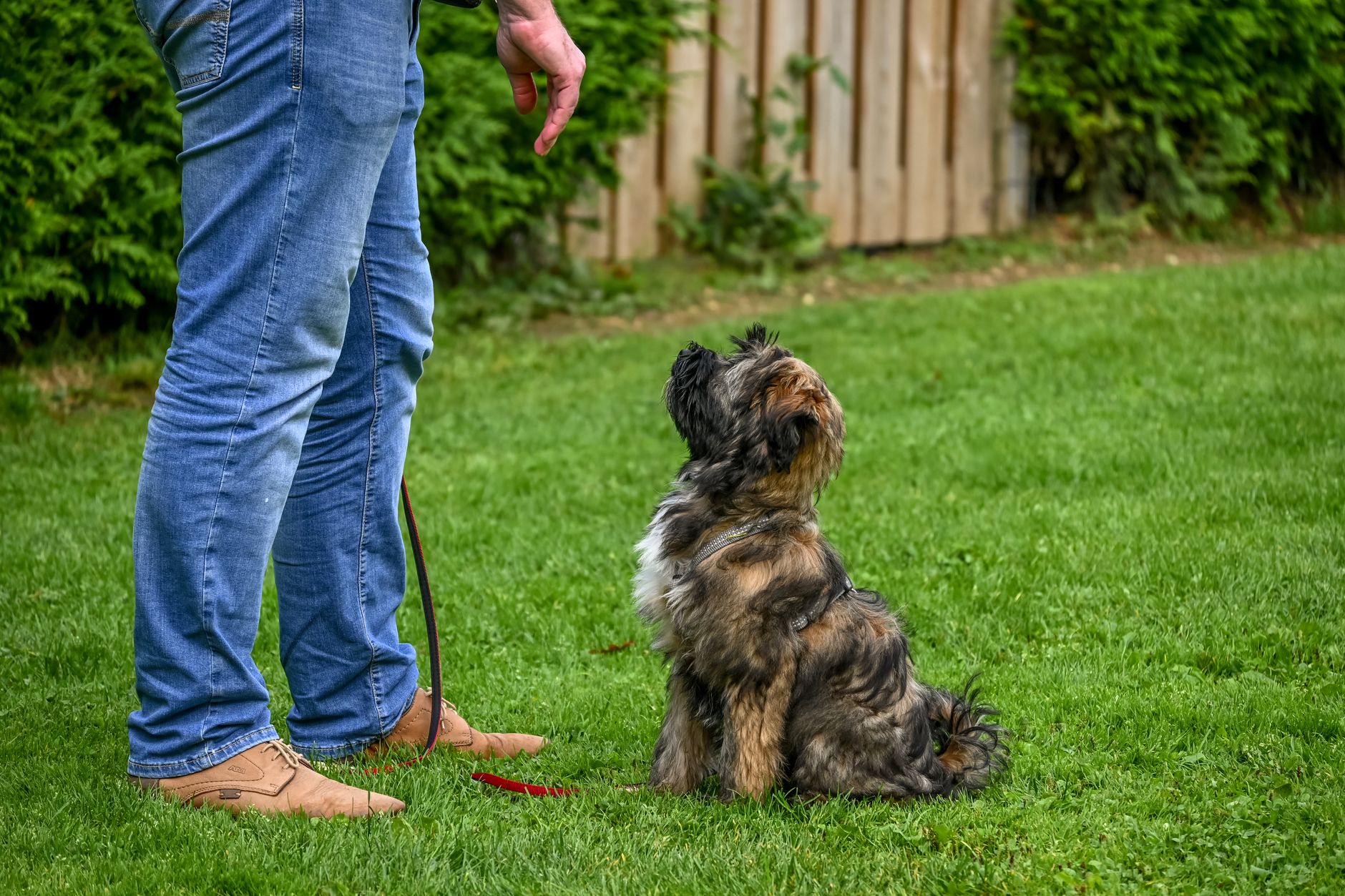
Canine communication involves a range of behaviors, including vocalizations, body language, and scent marking. Dogs use these behaviors to convey information about their emotional state, intentions, and needs. For example, a dog may use a specific vocalization to signal excitement or alarm, while a particular body posture may indicate submission or dominance. By recognizing and interpreting these behaviors, we can better understand our dogs and respond to their needs in a way that promotes positive relationships and reduces dog anxiety triggers.
Understanding Canine Body Language
Canine body language is a critical component of canine communication. Dogs use their body posture, facial expressions, and tail language to convey information about their emotional state and intentions. For example, a dog with a relaxed, open posture may be indicating friendliness and approachability, while a dog with a tense, closed posture may be signaling defensiveness or fear. By recognizing and interpreting these body language cues, we can better understand our dogs and respond to their needs in a way that promotes positive relationships.
The Role of Vocalizations in Canine Communication
Vocalizations play a significant role in canine communication, with dogs using a range of sounds to convey information about their emotional state and intentions. For example, a dog may use a high-pitched bark to signal excitement or playfulness, while a low-pitched growl may indicate aggression or warning. By recognizing and interpreting these vocalizations, we can better understand our dogs and respond to their needs in a way that promotes positive relationships.
Canine Scent Marking and Communication
Canine scent marking is a complex behavior that involves the deposition of pheromones and other chemical signals on objects or surfaces. Dogs use scent marking to convey information about their identity, status, and reproductive status, as well as to establish territorial boundaries and communicate with other dogs. By understanding the role of scent marking in canine communication, we can gain insights into the social behaviors of dogs and develop effective strategies for managing canine behavior problems.
For more information on canine communication, you can visit the Canine Communication page on Open Library, which provides a comprehensive overview of the topic. By studying canine communication and recognizing the various ways in which dogs convey information and express themselves, we can build stronger, more positive relationships with our canine companions and address common behavior problems.
In conclusion, canine communication is a complex and multifaceted topic that involves a range of behaviors, including vocalizations, body language, and scent marking. By understanding and interpreting these behaviors, we can gain insights into the social behaviors of dogs and develop effective strategies for building positive relationships and addressing common behavior problems. Whether you are a seasoned dog owner or simply interested in learning more about canine behavior, this article has provided a comprehensive overview of the topic, highlighting the importance of canine communication in building strong, positive relationships with our dogs.
- Recognize and interpret canine body language cues to better understand your dog’s emotional state and intentions.
- Use positive reinforcement training techniques to promote positive behavior and reduce anxiety triggers.
- Provide your dog with a stable and predictable environment to reduce stress and promote emotional well-being.
By following these tips and continuing to learn more about canine communication, you can build a stronger, more positive relationship with your dog and address common behavior problems. Remember, every dog is unique, and by recognizing and responding to their individual needs and communication styles, you can create a happy, healthy, and fulfilling relationship with your canine companion.