
Desensitizing dogs to noise is an essential aspect of dog behavior modification, as it helps to reduce anxiety and stress caused by loud sounds. Many dogs suffer from noise phobias, which can lead to destructive behavior, barking, and even escaping from homes. By desensitizing dogs to noise, owners can help their pets feel more comfortable and secure in their environment. This process involves gradually exposing dogs to loud noises, starting from a low level and increasing the intensity over time, to help them become less reactive and more calm.
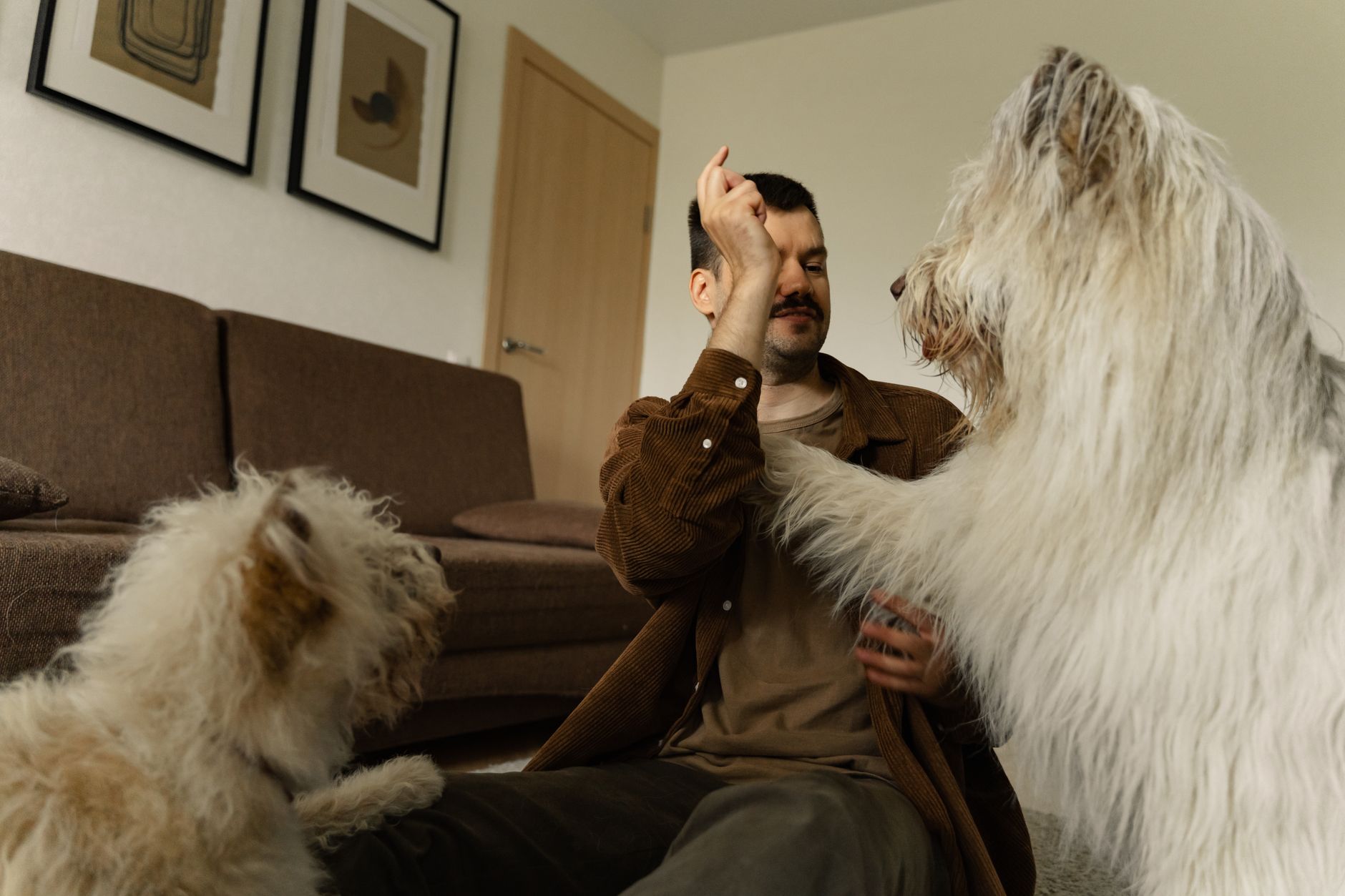
Understanding the importance of desensitizing dogs to noise is crucial for dog owners, as it can significantly impact their pet’s quality of life. Noise phobias can be triggered by various sounds, including fireworks, thunderstorms, and construction noise. By addressing these issues through desensitization, owners can help their dogs feel more relaxed and calm in the presence of loud noises. Additionally, desensitizing dogs to noise can also help to prevent other behavioral problems, such as resource guarding in dogs, which can be exacerbated by anxiety and stress.
Desensitization Techniques for Dogs
There are several desensitization techniques that can be used to help dogs overcome noise phobias. One of the most effective methods is to use a gradual exposure approach, where the dog is introduced to the loud noise at a low level and then gradually increased over time. This approach helps to prevent the dog from becoming overwhelmed and anxious, allowing them to become desensitized to the noise more effectively. Another technique is to use positive reinforcement training, such as training dogs for quiet commands, to help dogs learn to associate the loud noise with a positive outcome.
The Role of Environment in Desensitization
The environment plays a significant role in desensitizing dogs to noise, as it can either exacerbate or alleviate noise phobias. For example, a dog that is exposed to loud noises in a confined space may become more anxious and stressed than a dog that is exposed to the same noise in a larger, more open area. Understanding the environmental impact on dog behavior is essential for developing effective desensitization strategies. By taking into account the environmental factors that contribute to noise phobias, owners can create a more supportive and calming environment for their dogs.
Effective Communication and Desensitization
Effective communication is critical for desensitizing dogs to noise, as it allows owners to understand their dog’s needs and respond accordingly. By using effective dog communication techniques, owners can help their dogs feel more secure and calm in the presence of loud noises. This can involve using verbal cues, body language, and positive reinforcement training to help dogs associate the loud noise with a positive outcome. Additionally, owners can also use Dog Separation Anxiety Logbook to track their dog’s progress and identify areas for improvement.
In conclusion, desensitizing dogs to noise is a crucial aspect of dog behavior modification, as it helps to reduce anxiety and stress caused by loud sounds. By using gradual exposure techniques, positive reinforcement training, and effective communication, owners can help their dogs feel more comfortable and secure in their environment. Remember, desensitizing dogs to noise is a process that requires patience, consistency, and understanding, but with the right approach, it can significantly improve the quality of life for both dogs and their owners.