
Dog agility course design is an essential aspect of advanced dog training techniques, requiring a deep understanding of canine behavior, physiology, and psychology. A well-designed dog agility course can provide a fun and challenging way to exercise and train your dog, while also improving its physical and mental health. By incorporating various obstacles and challenges, a dog agility course design can help to improve a dog’s speed, agility, and overall performance, making it an excellent way to engage in high-energy activities with your pet.
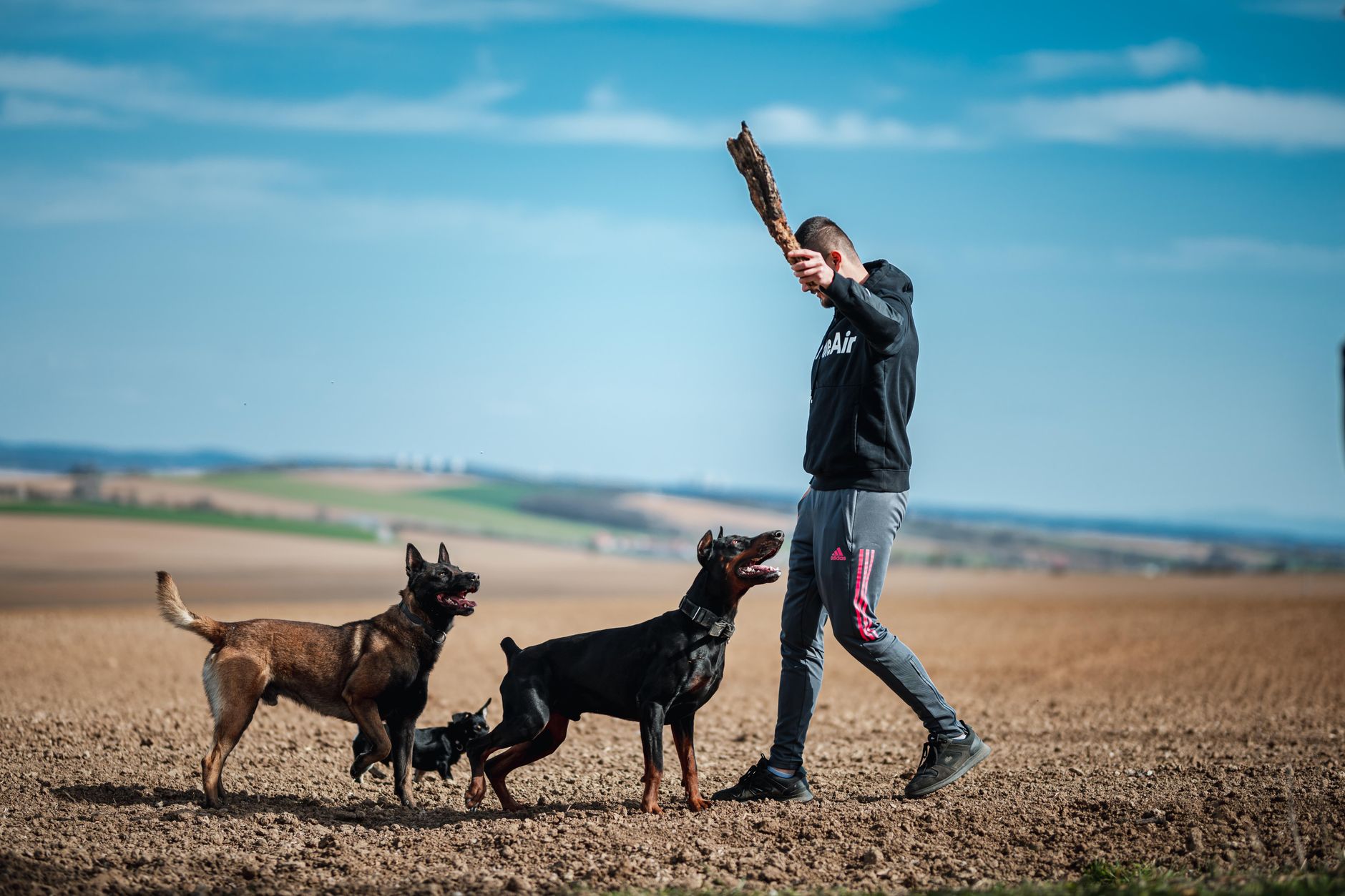
When designing a dog agility course, it’s crucial to consider the individual needs and abilities of your dog, taking into account its breed, size, age, and energy level. For example, high-energy breed training requires a more intense and challenging course design to keep them engaged and stimulated. On the other hand, older or less energetic dogs may require a more gentle and accessible course design to prevent injuries and ensure their safety. By understanding the principles of dog agility course design, you can create a customized course that meets the unique needs of your dog, providing a fun and rewarding experience for both you and your pet.
Principles of Dog Agility Course Design
A well-designed dog agility course should incorporate a variety of obstacles and challenges that test a dog’s speed, agility, and problem-solving skills. These obstacles can include tunnels, jumps, weave poles, and contact obstacles, such as A-frames and dog walks. The course should also include a clear entry and exit point, as well as a smooth and efficient flow to minimize congestion and reduce the risk of accidents. By incorporating these principles into your dog agility course design, you can create a fun and challenging course that provides a stimulating and engaging experience for your dog.
Types of Obstacles in Dog Agility Course Design
There are several types of obstacles that can be included in a dog agility course design, each with its unique challenges and requirements. These obstacles can be categorized into several types, including:
- Tunnels: These are long, narrow passages that dogs must run through to reach the next obstacle.
- Jumps: These are hurdles that dogs must jump over to clear the obstacle.
- Weave poles: These are a series of upright poles that dogs must weave in and out of to complete the obstacle.
- Contact obstacles: These are obstacles that require dogs to use their paws and bodies to climb, jump, or navigate the obstacle, such as A-frames and dog walks.
By incorporating a variety of obstacles into your dog agility course design, you can create a challenging and engaging course that provides a fun and stimulating experience for your dog. Additionally, you can also incorporate clicker training techniques to help your dog learn and navigate the course more efficiently.
Benefits of Dog Agility Course Design
Dog agility course design provides numerous benefits for dogs, including improved physical fitness, enhanced mental stimulation, and increased confidence and self-esteem. By engaging in dog agility training, dogs can also develop stronger bonds with their owners, as they learn to trust and communicate with each other more effectively. Furthermore, dog agility course design can also provide a fun and engaging way to engage in high-energy breed training, helping to burn off excess energy and reduce the risk of behavioral problems. For more information on dog agility course design, you can visit Course design resources.
In addition to physical benefits, dog agility course design can also provide mental stimulation for dogs, helping to reduce stress and anxiety and improve their overall mental health. By incorporating problem-solving obstacles and challenges into the course design, you can provide your dog with a fun and engaging way to exercise its mind and body, helping to improve its overall well-being and quality of life.
In conclusion, dog agility course design is a fun and rewarding way to engage in advanced dog training techniques, providing a challenging and stimulating experience for dogs of all ages and breeds. By understanding the principles of dog agility course design and incorporating a variety of obstacles and challenges into the course, you can create a customized course that meets the unique needs of your dog, providing a fun and engaging experience for both you and your pet. Whether you’re looking to improve your dog’s physical fitness, enhance its mental stimulation, or simply provide a fun and engaging way to spend time together, dog agility course design is an excellent way to achieve your goals and strengthen the bond between you and your dog.