
Understanding the dog developmental stages is crucial for any dog owner or enthusiast. These stages play a significant role in shaping a dog’s behavior, personality, and overall well-being. From birth to adulthood, dogs go through various phases of development, each with its unique characteristics and needs. In this guide, we will delve into the different dog developmental stages and explore how they impact a dog’s life.
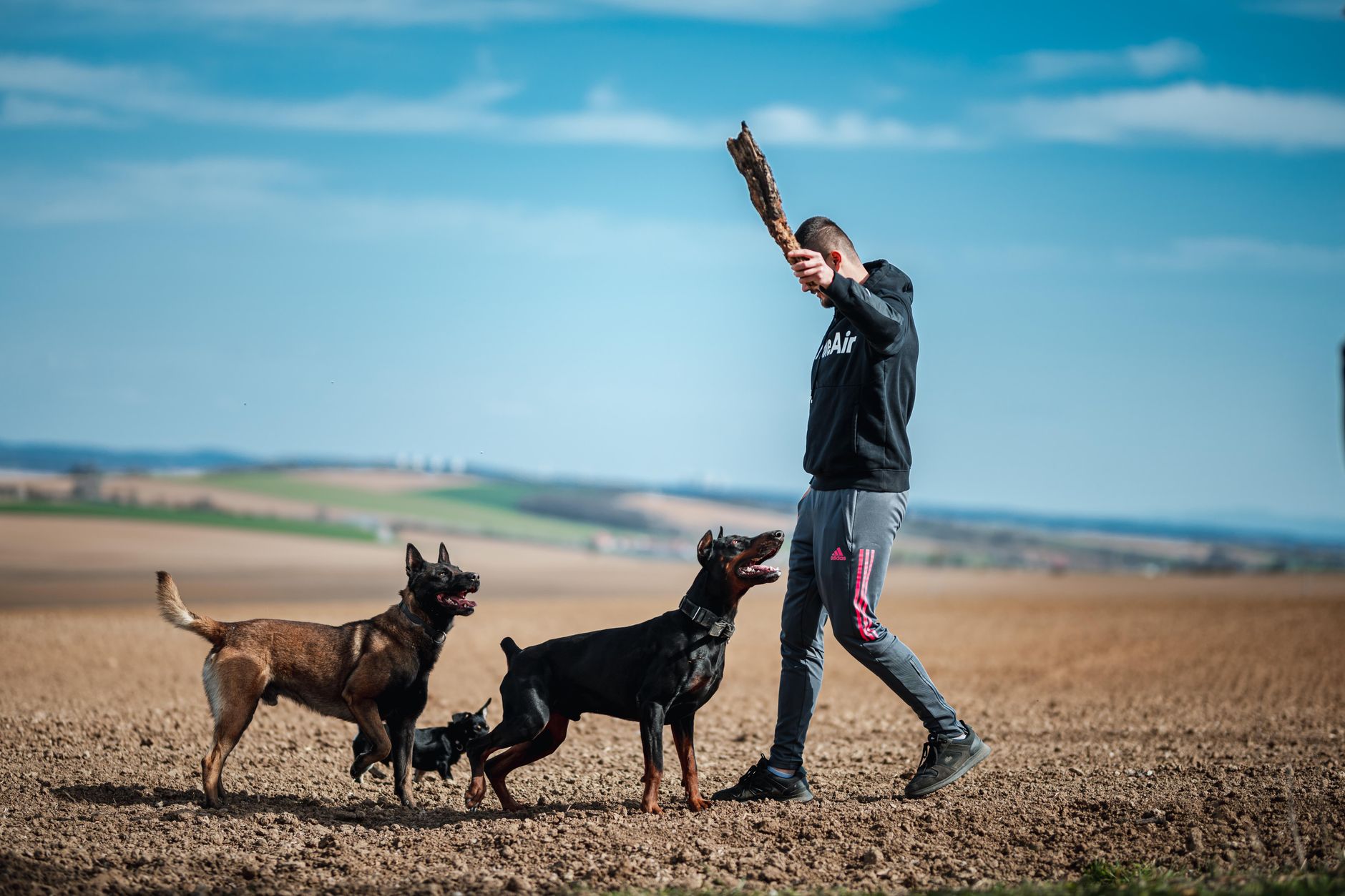
As dogs progress through the dog developmental stages, they are influenced by a combination of genetic and environmental factors. Their behavior, temperament, and learning abilities are shaped by interactions with their littermates, mother, and human caregivers. Moreover, instinct in dog behavior also plays a significant role in their development, as it determines their natural behaviors and reactions to certain stimuli. By recognizing and understanding these stages, owners can provide their dogs with the necessary care, training, and socialization to ensure a happy and healthy life.
Neonatal Stage (0-2 weeks)
The neonatal stage is the first of the dog developmental stages, during which puppies are completely dependent on their mother for warmth, nutrition, and protection. Their senses are not fully developed, and they rely on instinct to navigate their environment. As they grow, they begin to develop their senses and start to interact with their littermates, which is essential for socialization and learning important skills like biting inhibition and boundaries.
Transition Stage (2-4 weeks)
The transition stage marks a significant turning point in the dog developmental stages, as puppies start to transition from their mother’s milk to solid food. This stage is critical for their digestive development and introduces them to new tastes, textures, and smells. Moreover, they begin to explore their surroundings, interact with their human caregivers, and develop their motor skills. It is essential for owners to provide a safe and stimulating environment that encourages learning and growth.
Socialization Stage (4-12 weeks)
The socialization stage is a crucial period in the dog developmental stages, during which puppies learn to interact with their human family, other dogs, and various environments. Proper socialization is vital for developing good behavior, reducing anxiety and fear, and preventing dog behavior problems. Owners should expose their puppies to a wide range of experiences, including different people, animals, and situations, to help them become confident and well-adjusted adult dogs.
In addition to understanding the dog developmental stages, it is also important to recognize potential dog behavioral disorders that may arise during these stages. By being aware of the signs and symptoms of these disorders, owners can seek professional help and provide their dogs with the necessary treatment and support. For more information on dog behavior and development, you can visit research studies on dog development and behavior.
Conclusion
In conclusion, understanding the dog developmental stages is essential for providing dogs with the care, training, and socialization they need to thrive. By recognizing the different stages of development and their unique characteristics, owners can help their dogs become happy, healthy, and well-adjusted adult dogs. Whether you are a seasoned dog owner or a newcomer to the world of canine companionship, understanding the dog developmental stages is crucial for building a strong and lasting bond with your dog.