
Dog emotional intelligence is a fascinating topic that has gained significant attention in recent years. As we strive to understand canine behavior, it’s essential to recognize the emotional complexities of our furry friends. Dog emotional intelligence refers to a dog’s ability to recognize, understand, and manage their emotions, as well as those of their human companions. By studying dog emotional intelligence, we can gain a deeper understanding of their behavior, social interactions, and overall well-being.
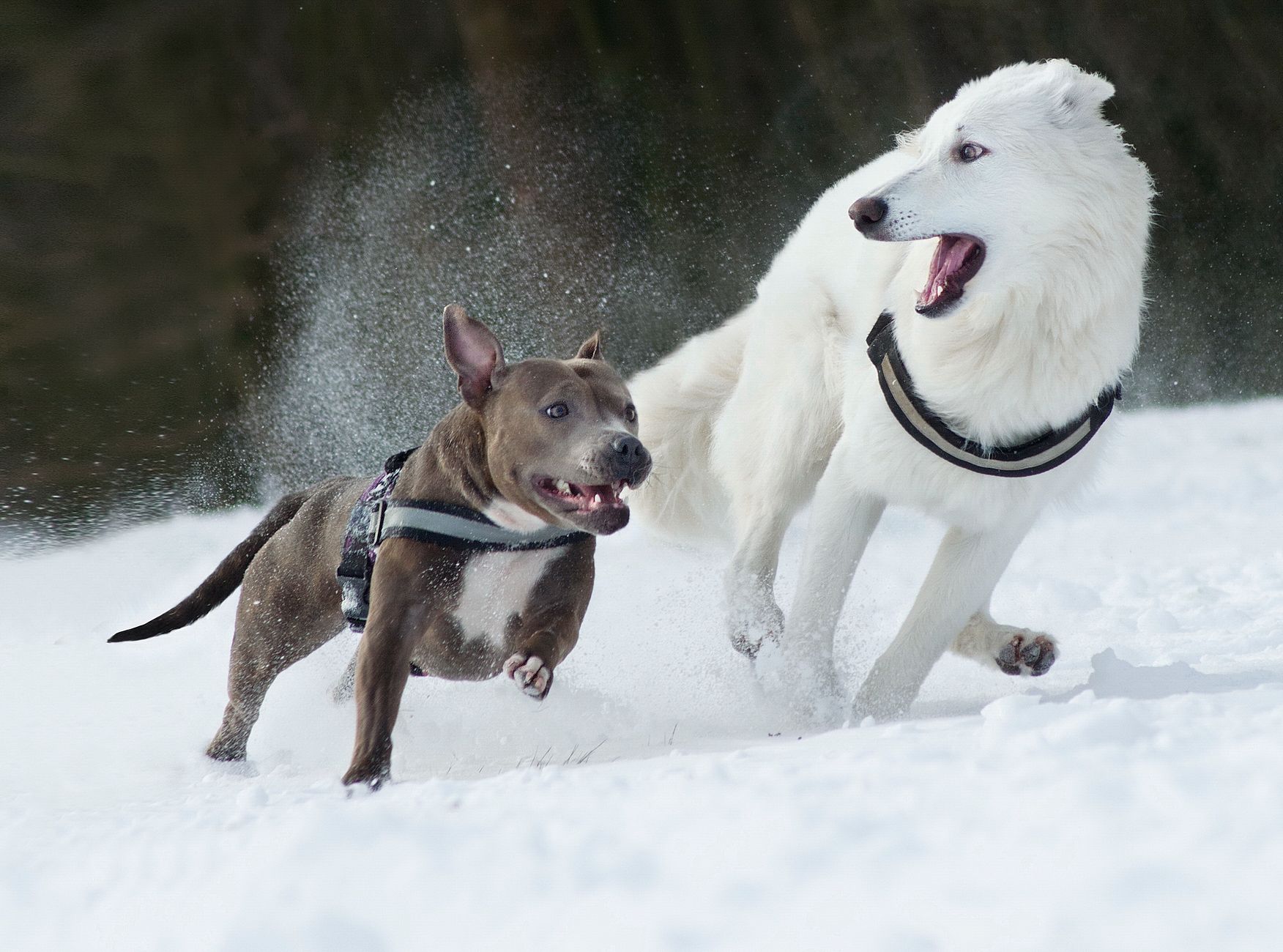
As we delve into the world of dog emotional intelligence, it’s crucial to consider the role of instinct in dog behavior. Instincts play a significant role in shaping a dog’s emotional responses, and understanding these instincts can help us better comprehend their behavior. Additionally, human interaction and dog behavior are closely linked, and recognizing the impact of human interaction on a dog’s emotional state is vital for building strong, healthy relationships.
Understanding Dog Emotional Intelligence
Dog emotional intelligence is a complex and multifaceted concept that encompasses various aspects of canine behavior. It involves a dog’s ability to recognize and understand their emotions, as well as those of their human companions. By studying dog emotional intelligence, we can gain insights into their social behavior, learning patterns, and overall well-being. Dog emotional intelligence is closely linked to their ability to form strong bonds with their human family members, and it plays a significant role in shaping their behavior and response to various situations.
The Science Behind Dog Emotional Intelligence
Research has shown that dogs possess a unique ability to recognize and respond to human emotions, such as happiness, sadness, and anger. This ability is often referred to as emotional contagion, and it’s a key aspect of dog emotional intelligence. Studies have also demonstrated that dogs are capable of experiencing emotions such as joy, fear, and anxiety, which are similar to those experienced by humans. By understanding the science behind dog emotional intelligence, we can better appreciate the complexities of canine behavior and develop more effective training methods. For more information on the intelligence of dogs, visit The Intelligence of Dogs on Open Library.
Developing Dog Emotional Intelligence
Developing dog emotional intelligence requires a combination of proper training, socialization, and emotional support. By providing dogs with a stable and nurturing environment, we can help them develop strong emotional regulation skills and improve their overall well-being. Some key strategies for developing dog emotional intelligence include:
- Positive reinforcement training
- Socialization with humans and other animals
- Emotional support and validation
- Providing a stable and predictable environment
By recognizing the importance of dog emotional intelligence and implementing these strategies, we can help our canine companions develop into happy, well-adjusted, and emotionally intelligent individuals. As we continue to learn more about dog emotional intelligence, we can refine our training methods and develop more effective approaches to supporting their emotional well-being.
In conclusion, dog emotional intelligence is a vital aspect of canine behavior that deserves our attention and understanding. By studying dog emotional intelligence, we can gain a deeper appreciation for the complexities of canine behavior and develop more effective strategies for supporting their emotional well-being. Whether you’re a seasoned dog owner or a newcomer to the world of canine companionship, recognizing the importance of dog emotional intelligence can help you build a stronger, more meaningful bond with your furry friend.