
Dog training and behavioral modification are essential for developing a strong bond between dogs and their owners. Understanding canine behavior is crucial in addressing various issues that may arise during the training process. By recognizing the underlying causes of behavioral problems, owners can take proactive steps to modify their dog’s behavior, leading to a more harmonious and rewarding relationship. Effective dog training and behavioral modification require patience, consistency, and positive reinforcement techniques.
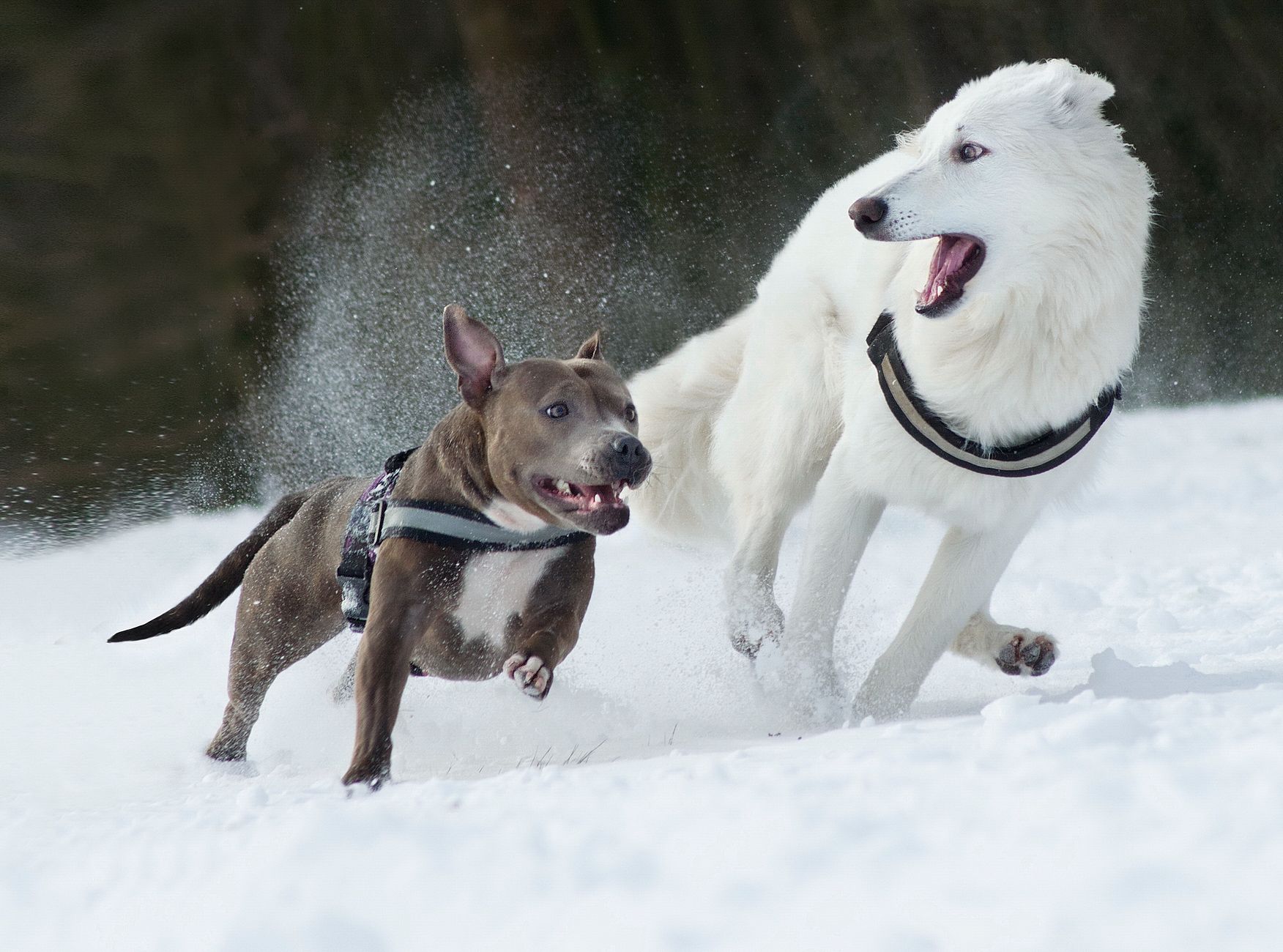
Dog training and behavioral modification involve a range of techniques and strategies, from basic obedience commands to more advanced training methods. By understanding the principles of canine cognition and learning, owners can create customized training plans that cater to their dog’s unique needs and personality. Moreover, recognizing the importance of dog socialization and attachment can help owners foster a deeper connection with their pets, built on trust, respect, and affection. For instance, learning about dog attachment can provide valuable insights into the emotional bonds between dogs and their owners.
Understanding Canine Behavior
Canine behavior is a complex and multifaceted field, influenced by a range of factors, including genetics, environment, and socialization. By studying canine behavior, owners can gain a deeper understanding of their dog’s thoughts, feelings, and motivations, allowing them to develop more effective training strategies. For example, recognizing the importance of dog socialization can help owners introduce their pets to new people, places, and experiences, reducing the risk of anxiety and fear-based behaviors. Additionally, exploring the fascinating world of canine cognition can reveal the impressive problem-solving abilities of dogs, highlighting the importance of mental stimulation and engagement in dog training and behavioral modification.
Techniques for Dog Training and Behavioral Modification
Effective dog training and behavioral modification require a range of techniques and strategies, from positive reinforcement and clicker training to desensitization and counterconditioning. By using these methods, owners can address a variety of behavioral issues, including barking, chewing, and digging, while promoting desirable behaviors, such as sitting, staying, and walking on a leash. Moreover, recognizing the importance of consistency, patience, and rewards can help owners create a supportive and encouraging training environment, conducive to learning and growth. As noted in Don’t shoot the dog!, a comprehensive guide to dog training and behavioral modification, positive reinforcement techniques can be highly effective in promoting desired behaviors and reducing undesired ones.
Common Challenges in Dog Training and Behavioral Modification
Despite the many rewards of dog training and behavioral modification, owners may encounter a range of challenges, from housebreaking and obedience issues to anxiety and fear-based behaviors. By recognizing the underlying causes of these problems, owners can develop targeted strategies to address them, using a combination of positive reinforcement, desensitization, and counterconditioning techniques. For example, addressing separation anxiety may involve gradual departures and returns, while dealing with fear-based behaviors may require careful exposure to the feared stimulus, accompanied by rewards and reassurance. By staying calm, patient, and consistent, owners can help their dogs overcome these challenges, developing a stronger, more resilient bond in the process.
In conclusion, dog training and behavioral modification are essential components of responsible dog ownership, promoting a deeper understanding of canine behavior and a stronger bond between dogs and their owners. By recognizing the importance of dog socialization, attachment, and cognition, owners can develop effective training strategies, addressing a range of behavioral issues and promoting desirable behaviors. Whether dealing with basic obedience commands or more complex behavioral problems, owners can rely on positive reinforcement techniques, patience, and consistency to achieve their goals, creating a more harmonious and rewarding relationship with their pets.
- Positive Reinforcement: a powerful technique for promoting desired behaviors and reducing undesired ones
- Desensitization and Counterconditioning: effective methods for addressing anxiety and fear-based behaviors
- Consistency and Patience: essential components of successful dog training and behavioral modification
By embracing the principles of dog training and behavioral modification, owners can unlock the full potential of their pets, fostering a deeper connection, built on trust, respect, and affection. As we continue to explore the fascinating world of canine behavior, we can develop more effective training strategies, promoting a stronger, more resilient bond between dogs and their owners.