
Dog socialization training is an essential aspect of a dog’s development, as it helps them become confident and calm in the presence of people, other animals, and new environments. Dog socialization training should begin at an early age, ideally between 8 and 11 weeks, when puppies are most receptive to new experiences. This critical period is crucial for shaping their behavior and preventing fear-based aggression. By investing time and effort into dog socialization training, you can help your furry friend become a well-adjusted and well-behaved companion.
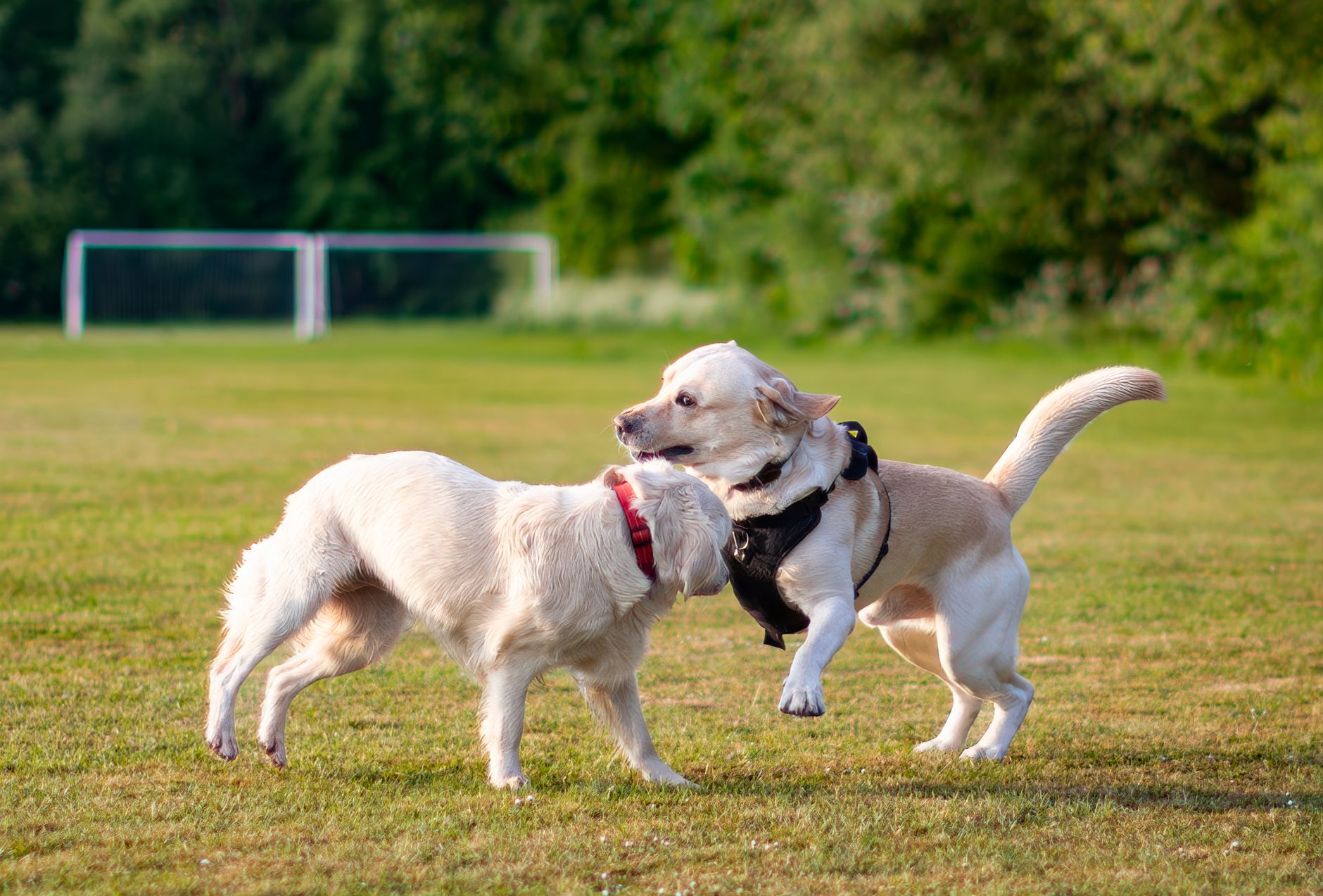
As your dog grows and matures, it’s essential to continue providing them with opportunities for socialization. This can be achieved through various activities, such as clicker training, which helps reinforce positive behavior, and dog walking training, which exposes them to different environments and stimuli. By combining these techniques with calm dog training in public, you can help your dog develop the skills they need to navigate various situations with confidence.
Benefits of Dog Socialization Training
Dog socialization training offers numerous benefits, including reduced anxiety and stress, improved behavior, and enhanced relationships between dogs and their owners. By socializing your dog, you can help them develop essential life skills, such as communication, problem-solving, and adaptability. Additionally, dog socialization training can help prevent behavioral problems, such as fear aggression, resource guarding, and separation anxiety, which can be challenging to address if left unattended.
How to Implement Dog Socialization Training
Implementing dog socialization training requires a thoughtful and structured approach. Start by exposing your dog to various environments, people, and animals, beginning with small, manageable steps. Gradually increase the intensity and duration of these interactions, always monitoring your dog’s behavior and adjusting your approach as needed. Be sure to reward positive behavior and provide a safe, supportive environment for your dog to learn and grow. For more information on raising a well-adjusted dog, visit How to Raise the Perfect Dog, a comprehensive resource on dog development and training.
Common Challenges in Dog Socialization Training
Despite its importance, dog socialization training can be challenging, especially for inexperienced dog owners. Common obstacles include lack of time, limited access to socialization opportunities, and difficulty in managing your dog’s behavior in public. To overcome these challenges, consider seeking guidance from a professional dog trainer or behaviorist, who can provide personalized advice and support. Additionally, be patient and consistent in your approach, as dog socialization training is an ongoing process that requires dedication and commitment.
In conclusion, dog socialization training is a critical component of a dog’s development, and its benefits extend far beyond the initial training period. By investing time and effort into dog socialization training, you can help your dog become a confident, calm, and well-behaved companion, capable of navigating various situations with ease. Remember to stay patient, consistent, and supportive, and don’t hesitate to seek guidance when needed. With the right approach and mindset, you can help your dog thrive and enjoy a happy, healthy life.
- Start dog socialization training early, ideally between 8 and 11 weeks.
- Expose your dog to various environments, people, and animals.
- Gradually increase the intensity and duration of socialization interactions.
- Reward positive behavior and provide a safe, supportive environment.
- Seek guidance from a professional dog trainer or behaviorist if needed.