
Search and rescue dog training is a highly specialized field that requires a great deal of dedication, patience, and expertise. Dogs that undergo search and rescue dog training are taught to locate missing people, survivors of natural disasters, and lost children. These dogs are trained to navigate challenging terrain, follow scents, and respond to commands in high-stress situations. The goal of search and rescue dog training is to equip dogs with the skills and confidence they need to effectively assist their handlers in emergency situations.
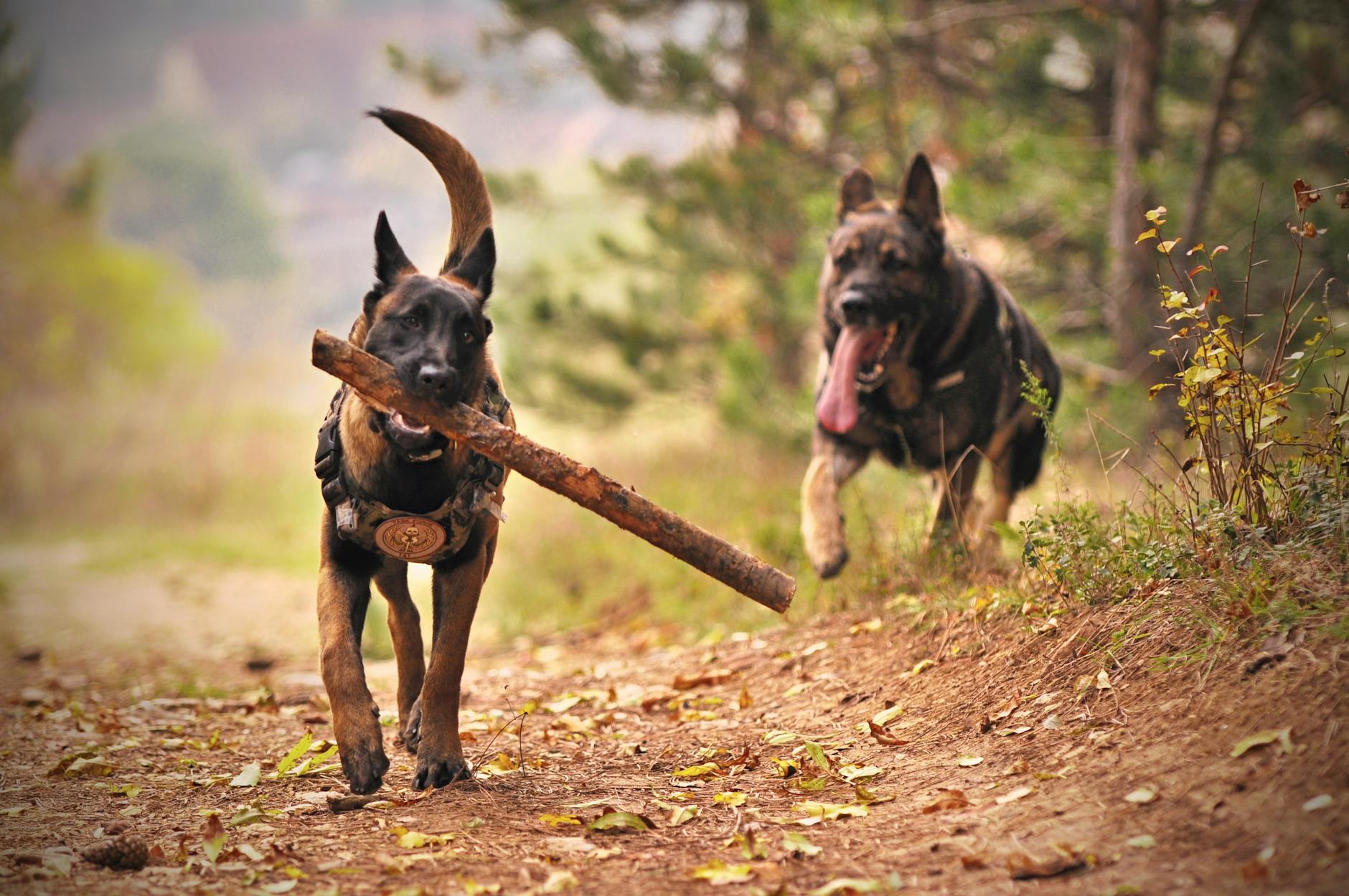
Effective search and rescue dog training begins with a solid foundation in basic obedience skills, such as calm dog training in public and leash walking dog training. Dogs must also be socialized to work in a variety of environments and situations, including crowds, noise, and unpredictable terrain. For large breed dog training, handlers may need to adapt their training approach to accommodate the unique needs and challenges of larger dogs.
Foundational Skills for Search and Rescue Dog Training
Before beginning search and rescue dog training, handlers should ensure that their dogs have a strong foundation in basic obedience skills, such as sit, stay, and come. Dogs should also be introduced to crate training for dogs, which can help with housetraining, reduce separation anxiety, and provide a safe space for dogs to relax. In addition to these foundational skills, handlers should also focus on building their dog’s confidence, agility, and problem-solving abilities.
Advanced Training Techniques for Search and Rescue Dogs
Once a dog has mastered the foundational skills, handlers can begin introducing more advanced training techniques, such as scent work, tracking, and air scenting. These techniques require a high level of focus, concentration, and physical fitness, and handlers should be prepared to adapt their training approach to meet the unique needs and abilities of their dog. For more information on search and rescue dog training, handlers can consult resources such as Search and Rescue Dogs, which provides a comprehensive overview of the training process.
Real-World Applications of Search and Rescue Dog Training
In real-world search and rescue operations, dogs are often deployed in challenging and unpredictable environments, such as disaster zones, wilderness areas, and urban landscapes. Handlers must be prepared to adapt their training approach to meet the unique demands of each situation, taking into account factors such as terrain, weather, and the presence of hazards or obstacles. By combining advanced training techniques with a strong foundation in basic obedience skills, handlers can equip their dogs with the skills and confidence they need to effectively assist in search and rescue operations.
In conclusion, search and rescue dog training is a complex and rewarding field that requires a high level of dedication, expertise, and physical fitness. By combining foundational skills, advanced training techniques, and real-world experience, handlers can equip their dogs with the skills and confidence they need to effectively assist in search and rescue operations. Whether you’re a seasoned handler or just starting out, search and rescue dog training offers a unique and rewarding opportunity to make a difference in the lives of others.