
Canine aggression is a complex and multifaceted issue that affects many dog owners and their pets. Understanding the science behind canine aggression is crucial in addressing this problem and promoting a safe and harmonious relationship between humans and dogs. Canine aggression can manifest in various forms, including growling, snapping, and biting, and can be triggered by a range of factors, including fear, anxiety, and territorialism. In this article, we will delve into the underlying causes of canine aggression and explore the various ways in which it can be prevented and managed.
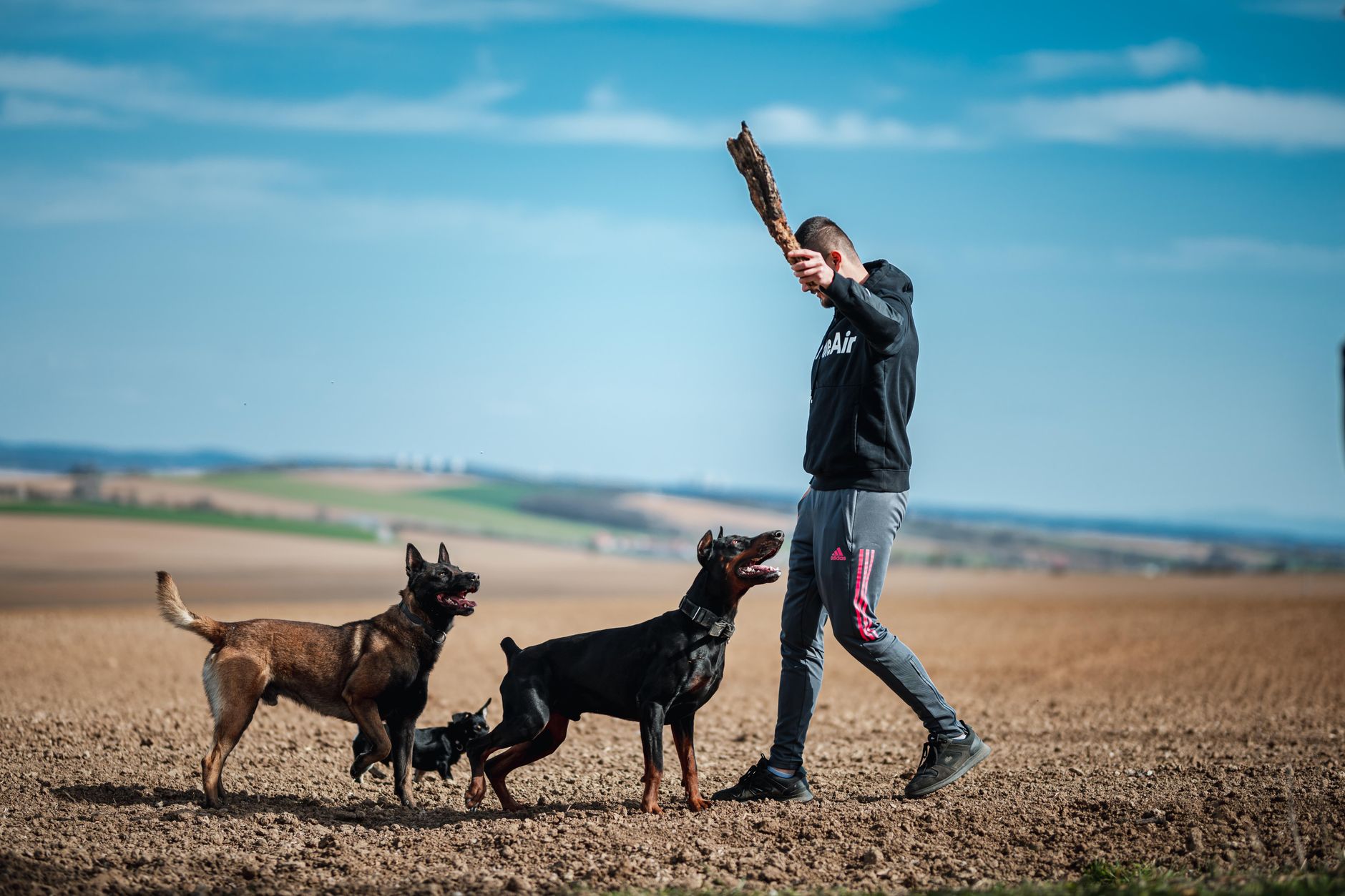
One of the key factors in understanding canine aggression is recognizing the importance of dog body language. By learning to read the subtle cues and signals that dogs use to communicate, owners can identify potential signs of aggression and take steps to prevent it. Additionally, understanding the role of human interaction and dog behavior is crucial in addressing canine aggression, as humans can often inadvertently contribute to aggressive behavior in dogs.
Causes of Canine Aggression
Canine aggression can be caused by a range of factors, including genetic predisposition, environmental factors, and learning experiences. For example, some breeds of dogs are more prone to aggression due to their genetic makeup, while others may develop aggressive tendencies as a result of poor training or socialization. Additionally, environmental factors such as noise, crowds, and unfamiliar surroundings can trigger aggressive behavior in some dogs. According to research on canine aggression, understanding the underlying causes of this behavior is crucial in developing effective prevention and treatment strategies.
Types of Canine Aggression
There are several types of canine aggression, including territorial aggression, protective aggression, and fear-based aggression. Territorial aggression occurs when a dog feels the need to defend its territory or resources, while protective aggression is triggered by a perceived threat to the dog’s family or pack. Fear-based aggression, on the other hand, is characterized by a dog’s fear or anxiety in response to a particular stimulus or situation. Understanding the different types of canine aggression is essential in developing effective treatment and management strategies.
Signs of Canine Aggression
The signs of canine aggression can vary depending on the individual dog and the underlying cause of the behavior. However, common signs of aggression include growling, snapping, and biting, as well as more subtle cues such as raised hackles, direct stares, and tense body language. In some cases, aggressive behavior may be preceded by warning signs such as yawning, panting, or pacing. By recognizing these signs and taking steps to address the underlying causes of canine aggression, owners can help prevent aggressive behavior and promote a safe and harmonious relationship with their pets.
Prevention and Management of Canine Aggression
Preventing and managing canine aggression requires a comprehensive approach that takes into account the underlying causes of the behavior. This may involve training and socialization, as well as environmental modifications and behavioral therapy. In some cases, medication or other forms of treatment may be necessary to address underlying medical or psychological issues. By working with a professional dog trainer or behaviorist, owners can develop a customized plan to prevent and manage canine aggression and promote a safe and happy relationship with their pets.
Some effective strategies for preventing and managing canine aggression include:
- Providing proper training and socialization from an early age
- Establishing clear boundaries and rules
- Using positive reinforcement techniques to reward good behavior
- Avoiding triggers and stimuli that may provoke aggressive behavior
- Seeking professional help if aggressive behavior persists or worsens
In conclusion, canine aggression is a complex and multifaceted issue that requires a comprehensive approach to prevention and management. By understanding the underlying causes of canine aggression and recognizing the importance of dog body language and human interaction, owners can take steps to prevent and manage this behavior and promote a safe and harmonious relationship with their pets. With patience, persistence, and the right guidance, it is possible to overcome canine aggression and enjoy a happy and fulfilling relationship with your dog.