
Whistle training for dogs is an effective way to communicate with your canine companion, especially in situations where verbal commands may not be audible. By incorporating whistle training for dogs into your dog training routine, you can improve your dog’s responsiveness and obedience. This method is particularly useful for hunting dogs, search and rescue dogs, and other working dogs that require a high level of focus and attention. In this article, we will explore the basics of whistle training for dogs and provide tips on how to get started.
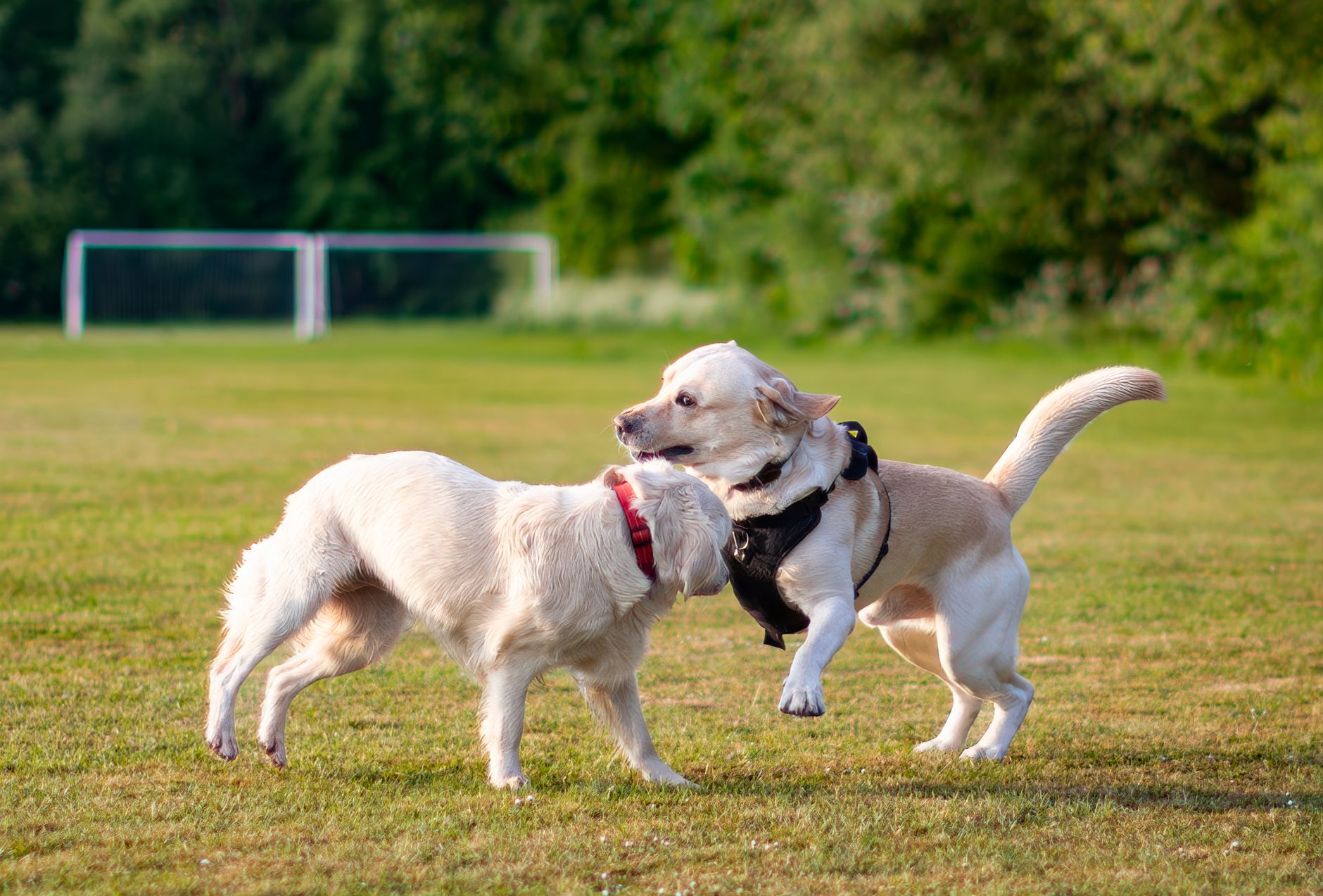
Before starting whistle training for dogs, it’s essential to understand the importance of consistency and positive reinforcement. Dogs thrive on routine and clear communication, so it’s crucial to establish a clear and consistent whistle signal that your dog can associate with a specific command or action. You can start by introducing the whistle sound during training sessions, using it in conjunction with verbal commands and rewards. As your dog becomes more familiar with the whistle sound, you can gradually phase out the verbal commands and rely solely on the whistle.
Introduction to Whistle Training for Dogs
Whistle training for dogs is based on the principle of operant conditioning, which involves associating a specific stimulus (in this case, the whistle sound) with a desired behavior or response. By consistently pairing the whistle sound with a reward or positive reinforcement, your dog will learn to associate the sound with the desired action. For example, if you’re training your dog to sit, you can use the whistle sound to signal the command, followed by a treat or praise when they respond correctly.
Benefits of Whistle Training for Dogs
Whistle training for dogs offers several benefits, including improved communication, increased responsiveness, and enhanced obedience. By using a whistle, you can communicate with your dog over long distances, making it an ideal tool for outdoor activities such as hiking or hunting. Additionally, whistle training can help to reduce distractions and improve your dog’s focus, as they learn to associate the whistle sound with a specific command or action. For more information on dog training and mental stimulation, you can visit our article on dog mental stimulation training.
Getting Started with Whistle Training for Dogs
To get started with whistle training for dogs, you’ll need a few basic supplies, including a whistle, treats, and a quiet training area. Begin by introducing the whistle sound in short sessions, using it in conjunction with verbal commands and rewards. As your dog becomes more familiar with the whistle sound, you can gradually increase the distance and duration of the training sessions. It’s also essential to be consistent and patient, as whistle training for dogs requires time and practice to master. For more information on basic dog commands, you can visit our article on basic dog commands.
Some of the key benefits of whistle training for dogs include:
- Improved communication and responsiveness
- Increased obedience and focus
- Reduced distractions and improved performance
- Enhanced bond between dog and handler
For more information on dog training and behavior, you can visit the The American preceptor, a comprehensive guide to dog training and behavior. By following these tips and guidelines, you can help your dog become a well-behaved and responsive companion, using whistle training for dogs as a valuable tool in your training arsenal.
In conclusion, whistle training for dogs is a powerful tool for improving communication, obedience, and focus. By incorporating whistle training for dogs into your dog training routine, you can enhance your dog’s responsiveness and performance, while also strengthening the bond between dog and handler. With patience, consistency, and positive reinforcement, you can help your dog become a well-behaved and responsive companion, using whistle training for dogs as a valuable tool in your training arsenal.