
Training a dog to stop barking can be a challenging task, but with the right approach and techniques, it is achievable. The key to successful stop dog barking training is to understand the underlying reasons for your dog’s barking and address them effectively. Whether your dog is barking due to anxiety, boredom, or attention-seeking, there are various methods you can use to help them learn to stop barking excessively. In this article, we will explore the essential tips and techniques for stop dog barking training and provide you with a comprehensive guide to help you train your dog to stop barking.
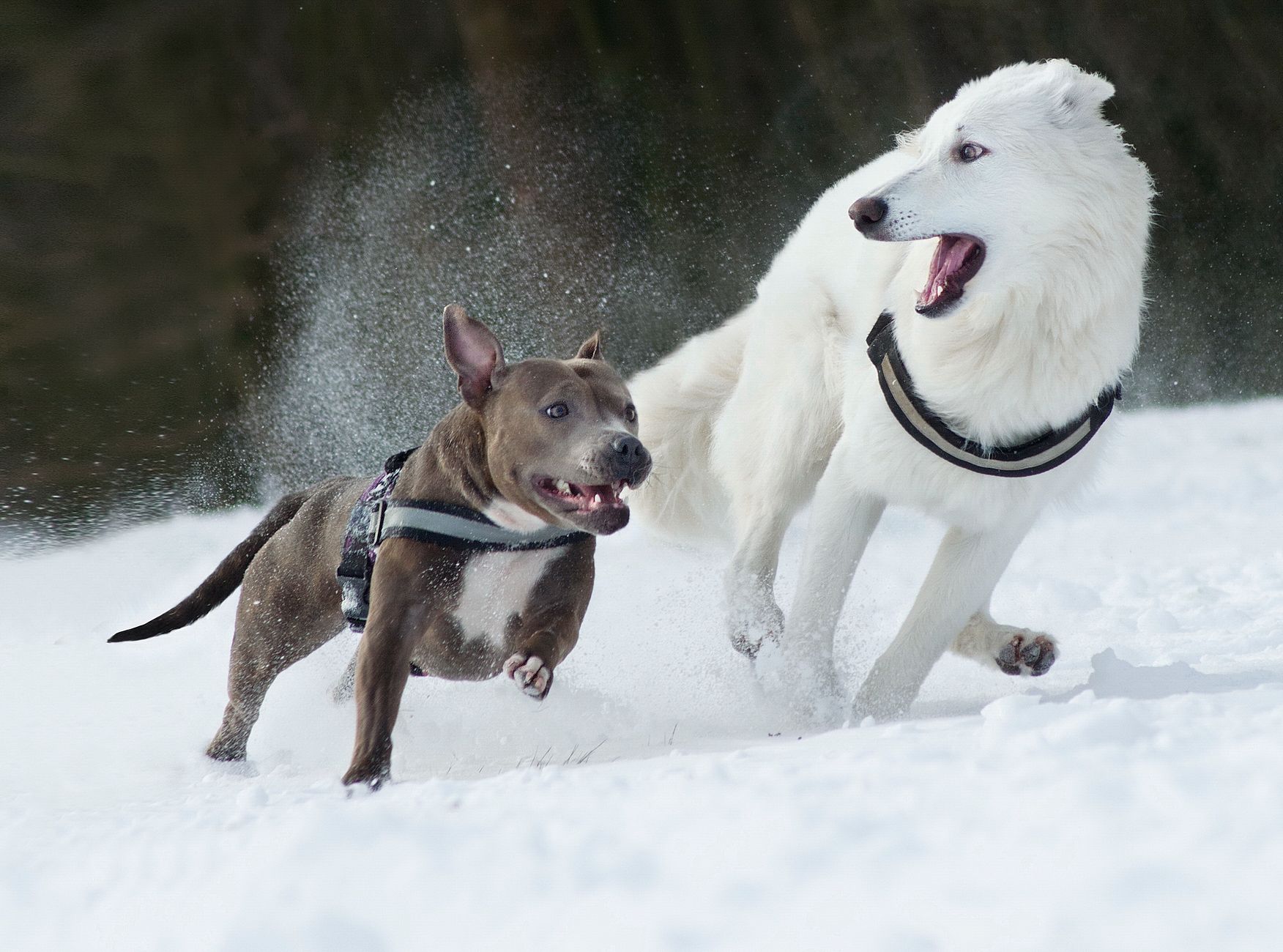
Before you start with the stop dog barking training, it’s essential to understand that barking is a natural behavior for dogs. They bark to communicate with their human family members, other dogs, and even to alert us to potential threats. However, excessive barking can be a problem and may lead to stress, anxiety, and frustration for both you and your dog. To address this issue, you need to identify the underlying causes of your dog’s barking and develop a training plan that addresses these causes. You can also learn more about dog fear training to help your dog overcome their fears and anxieties that may be contributing to their barking.
Understanding the Causes of Excessive Barking
Excessive barking can be caused by various factors, including boredom, loneliness, anxiety, and attention-seeking. To develop an effective stop dog barking training plan, you need to understand the underlying causes of your dog’s barking. For example, if your dog is barking due to boredom, you can provide them with more exercise, mental stimulation, and interactive toys to keep them engaged and occupied. On the other hand, if your dog is barking due to anxiety or fear, you may need to use desensitization and counterconditioning techniques to help them overcome their fears and anxieties.
Basic Dog Commands for Stop Dog Barking Training
Teaching your dog basic dog commands is an essential part of stop dog barking training. By teaching your dog to respond to basic commands such as “sit,” “stay,” “quiet,” and “leave it,” you can help them learn to stop barking on command. You can learn more about basic dog commands to teach your dog. Additionally, you can use hand signal dog training to help your dog learn to respond to visual cues and commands.
Effective Techniques for Stop Dog Barking Training
There are various techniques you can use for stop dog barking training, including positive reinforcement, desensitization, and counterconditioning. Positive reinforcement involves rewarding your dog for good behavior, such as remaining quiet, while desensitization and counterconditioning involve helping your dog become less reactive to stimuli that trigger barking. You can also use distraction techniques, such as calling your dog’s name or using a squeaky toy, to interrupt their barking and redirect their attention. For more information on how to train your dog to stop barking, you can visit How Do I Train My Dog to Stop Barking When I Am Tired and Resting at Home? on Open Library.
In conclusion, stop dog barking training requires patience, consistency, and positive reinforcement. By understanding the underlying causes of your dog’s barking and using effective techniques such as positive reinforcement, desensitization, and counterconditioning, you can help your dog learn to stop barking excessively. Remember to always reward good behavior and avoid punishing or scolding your dog for barking, as this can create anxiety and make the problem worse. With time, effort, and the right training, you can help your dog become a well-behaved and quiet companion.