
Training a dog with high energy can be a challenging task, but with the right approach, it can also be a rewarding experience for both you and your furry friend. High energy dog training requires patience, consistency, and a deep understanding of canine behavior. If you’re struggling to manage your dog’s high energy levels, you’re not alone. Many dog owners face similar challenges, and with the right guidance, you can learn how to channel your dog’s energy into positive behaviors.
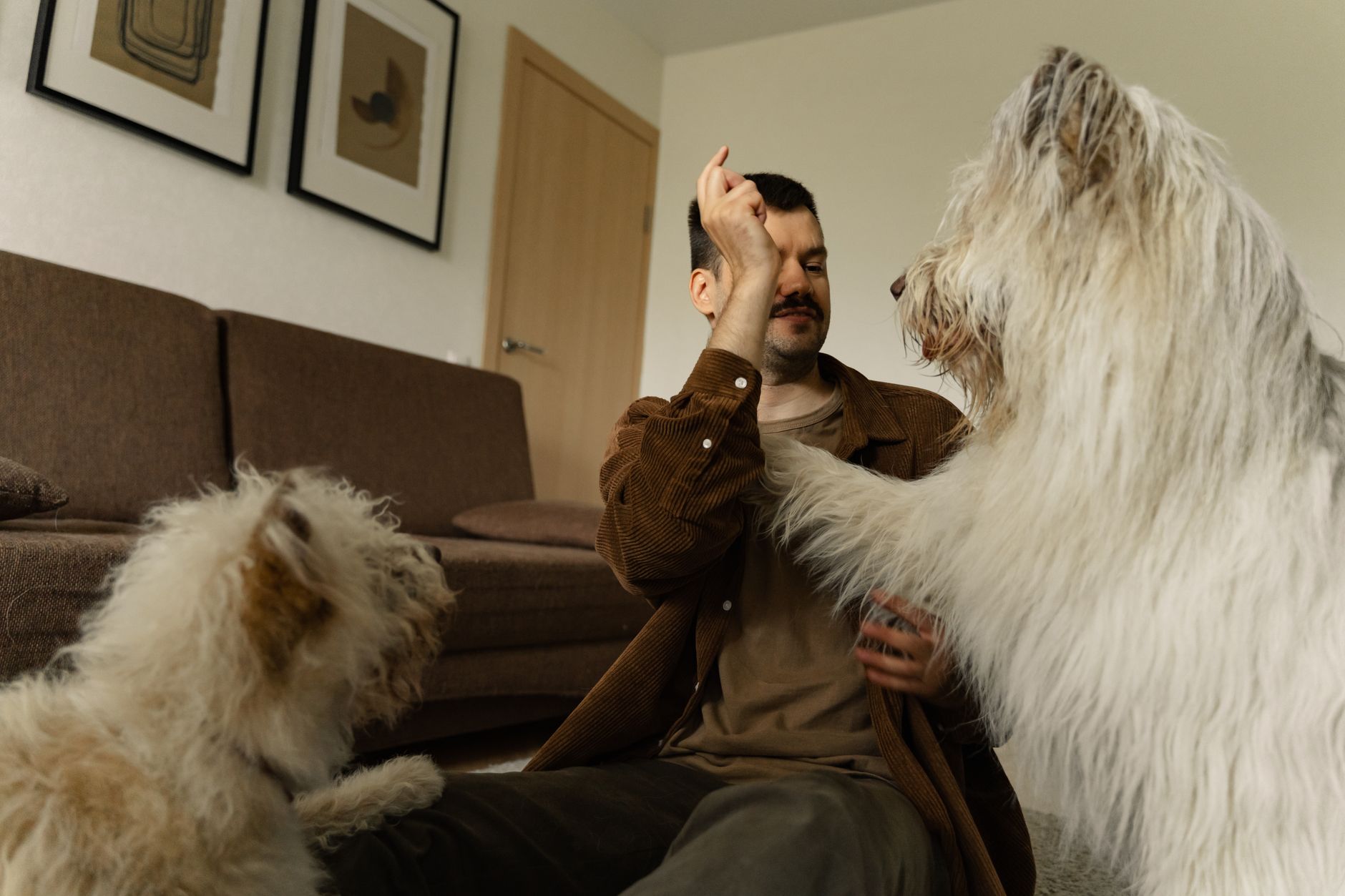
Before diving into high energy dog training, it’s essential to understand what drives your dog’s energy levels. Is it boredom, anxiety, or simply a lack of physical activity? Once you identify the underlying cause, you can start developing a tailored training plan that addresses your dog’s specific needs. For instance, if your dog is prone to destructive behavior due to boredom, you may want to consider incorporating housebreaking tips and engaging activities to keep them occupied.
Understanding Canine Energy Levels
Dogs, like humans, have unique energy profiles that influence their behavior and interactions. High energy dog training recognizes that each dog has a distinct energy signature, which can be categorized into various types, such as hyperactive, anxious, or playful. By understanding your dog’s energy level, you can develop a training plan that resonates with their natural behavior, rather than trying to suppress or force them into an unnatural state.
Key Principles of High Energy Dog Training
Successful high energy dog training relies on several key principles, including consistency, positive reinforcement, and clear communication. It’s essential to establish a strong bond with your dog, built on trust, respect, and clear boundaries. This foundation allows you to introduce new commands, exercises, and activities that cater to your dog’s high energy levels, while also promoting obedience and focus. For example, obedience training can help you develop a stronger connection with your dog, while also teaching them essential skills like sitting, staying, and walking on a leash.
Engaging Activities for High Energy Dogs
High energy dogs require regular physical and mental stimulation to prevent boredom, anxiety, and destructive behavior. Engaging activities, such as agility training, fetch, and scent work, can help burn off excess energy and provide mental stimulation. You can also try enrichment games and activities specifically designed for high-energy dogs, which can help challenge and engage your dog’s mind and body.
In addition to physical activities, it’s essential to provide your dog with mental stimulation through puzzle toys, interactive games, and scent work. These activities can help reduce stress, anxiety, and boredom, while also promoting cognitive development and problem-solving skills. By incorporating a mix of physical and mental activities into your high energy dog training plan, you can create a well-rounded and engaging program that meets your dog’s unique needs and energy levels.
Some other activities you can try with your high energy dog include:
- Agility training: Set up an obstacle course in your backyard or enroll in a local agility class to provide your dog with a fun and challenging way to burn off energy.
- Fetch: Play a game of fetch with your dog, using a ball, toy, or even a frisbee, to provide them with a fun way to exercise and bond with you.
- Scent work: Teach your dog to follow specific scents, such as essential oils or treats, to provide them with a mentally stimulating activity that challenges their sense of smell.
In conclusion, high energy dog training requires a deep understanding of canine behavior, patience, and consistency. By recognizing your dog’s unique energy level and tailoring a training plan that addresses their specific needs, you can create a strong bond with your dog and help them become a well-behaved and well-adjusted member of your family. Remember to always prioritize positive reinforcement, clear communication, and engaging activities that cater to your dog’s high energy levels, and don’t hesitate to seek professional guidance if you need additional support or guidance.