
Agility training for dogs is an exciting and rewarding activity that can help improve your dog’s physical and mental health. It involves navigating obstacle courses, such as tunnels, jumps, and weave poles, which can help increase your dog’s speed, agility, and overall fitness. Whether you’re looking to compete in dog agility competitions or simply want to provide your dog with a fun and challenging way to exercise, agility training for dogs is an excellent option. With patience, consistency, and positive reinforcement, you can help your dog develop the skills and confidence they need to succeed in this exciting sport.
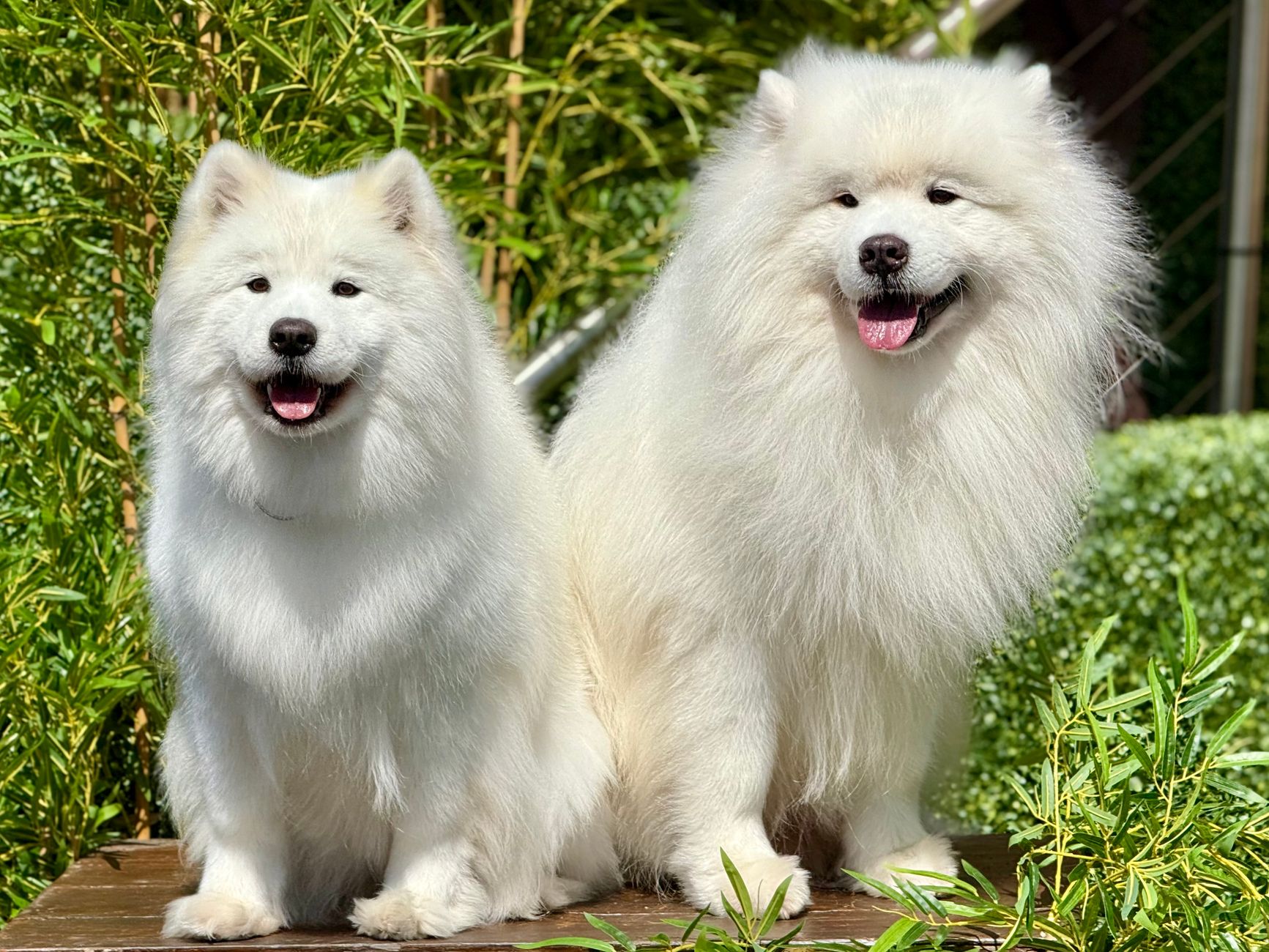
Before you begin agility training for dogs, it’s essential to understand the importance of patience in dog training. Agility training requires a significant amount of time, effort, and dedication, and it’s crucial to approach the process with a calm and patient mindset. This will help you build a strong bond with your dog and ensure that they feel comfortable and confident as they navigate the obstacle course. Additionally, if you’re new to dog training, you may want to start with basic obedience commands and housebreaking a dog before moving on to more advanced activities like agility training.
Introduction to Agility Training for Dogs
Agility training for dogs is a fun and exciting way to challenge your dog physically and mentally. It involves navigating obstacle courses, which can include tunnels, jumps, weave poles, and contact obstacles like A-frames and dog walks. The goal of agility training is to provide your dog with a fun and engaging way to exercise, while also improving their speed, agility, and overall fitness. With agility training for dogs, you can help your dog develop the skills and confidence they need to succeed in this exciting sport.
Benefits of Agility Training for Dogs
Agility training for dogs offers a wide range of benefits, including improved physical fitness, increased mental stimulation, and enhanced bond between dog and handler. Regular agility training can help your dog develop stronger muscles, improved coordination, and better overall health. Additionally, agility training can help reduce stress and anxiety in dogs, while also providing a fun and engaging way to exercise. Some of the key benefits of agility training for dogs include:
- Improved physical fitness and coordination
- Increased mental stimulation and focus
- Enhanced bond between dog and handler
- Reduced stress and anxiety
- Improved overall health and well-being
Getting Started with Agility Training for Dogs
If you’re interested in getting started with agility training for dogs, there are several things you can do to prepare. First, it’s essential to consult with a veterinarian to ensure that your dog is healthy enough for agility training. You’ll also want to invest in the necessary equipment, such as tunnels, jumps, and weave poles. Additionally, you may want to consider working with a professional dog trainer or agility instructor who can provide guidance and support as you get started. For more information on agility training for dogs, you can visit Agility Training for Dogs on Open Library.
Agility training for dogs is a fun and rewarding activity that can help improve your dog’s physical and mental health. With patience, consistency, and positive reinforcement, you can help your dog develop the skills and confidence they need to succeed in this exciting sport. Whether you’re looking to compete in dog agility competitions or simply want to provide your dog with a fun and challenging way to exercise, agility training for dogs is an excellent option. So why not get started today and see the benefits of agility training for dogs for yourself?