
Calming dog anxiety naturally is a crucial aspect of dog behavior modification, as it can significantly impact a dog’s overall well-being and relationship with its owner. Many dog owners struggle with calming dog anxiety, which can manifest in various forms, such as fear-based behaviors, separation anxiety, or even hyperactivity. By understanding the root causes of dog anxiety and implementing effective calming techniques, owners can help their dogs lead happier, healthier lives. The process of calming dog anxiety requires patience, consistency, and a deep understanding of canine behavior and psychology.
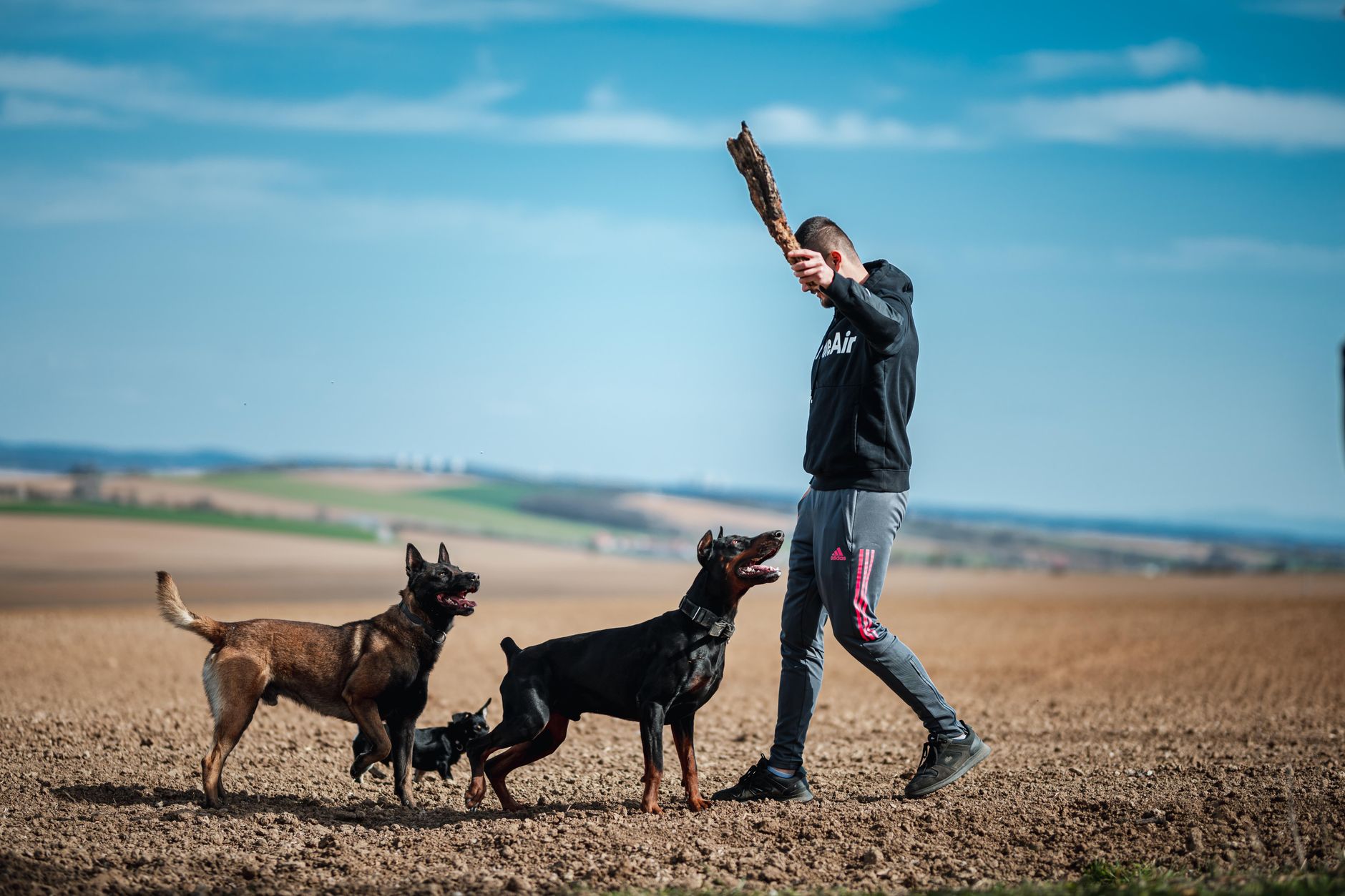
One common form of dog anxiety is canine separation anxiety, which occurs when a dog becomes distressed when left alone by its owner. This can lead to destructive behaviors, excessive barking, and even self-soothing habits like pacing or licking. To address this issue, owners must implement a combination of training, socialization, and calming dog anxiety techniques, such as gradual separation, exercise, and mental stimulation. By doing so, they can help their dogs develop a sense of security and calmness when left alone.
Understanding Dog Anxiety Triggers
Calming dog anxiety requires a deep understanding of the underlying triggers that contribute to a dog’s anxious behavior. These triggers can range from environmental factors, such as loud noises or changes in the household, to social factors, such as encounters with other dogs or people. By identifying and addressing these triggers, owners can develop effective strategies for calming dog anxiety and preventing future anxiety attacks. Some common triggers include changes in the owner’s work schedule, the introduction of new pets or family members, and even certain medical conditions or health issues.
Effective Calming Techniques for Dogs
There are several effective calming techniques that owners can use to calm dog anxiety, including exercise, training, and socialization. Regular physical activity can help reduce stress and anxiety in dogs, while positive reinforcement training can help build confidence and calmness. Additionally, socialization is crucial for helping dogs develop good social skills and reducing anxiety in social situations. Other calming techniques include the use of pheromone diffusers, calming music, and even mindfulness exercises specifically designed for dogs. By incorporating these techniques into their daily routine, owners can help their dogs develop a sense of calmness and well-being.
Modifying Hyperactivity in Dogs
In some cases, dog anxiety can manifest as hyperactivity, which can be challenging to manage. To address modifying dog hyperactivity, owners must implement a combination of exercise, training, and mental stimulation. This can include activities such as agility training, obedience training, and even scent work. By providing dogs with a healthy outlet for their energy and engaging their minds, owners can help reduce hyperactivity and promote a sense of calmness and focus. Additionally, owners can use calming aids such as calming treats, calming collars, and even calming music to help reduce stress and anxiety in their dogs.
In conclusion, calming dog anxiety naturally requires a deep understanding of canine behavior and psychology, as well as a commitment to implementing effective calming techniques. By addressing the root causes of dog anxiety and incorporating techniques such as exercise, training, and socialization, owners can help their dogs develop a sense of calmness and well-being. Whether it’s addressing canine separation anxiety, modifying hyperactivity, or simply providing a sense of security and comfort, owners can play a crucial role in promoting their dog’s mental and emotional health. By doing so, they can strengthen the bond between themselves and their dogs, leading to a happier, healthier relationship for both parties.