
Canine separation anxiety is a common behavioral issue that affects many dogs, causing them to feel distressed and exhibit destructive behaviors when left alone. This condition can be challenging for dog owners to manage, especially if they have to leave their pets behind for extended periods. Understanding the root causes and symptoms of canine separation anxiety is crucial in developing effective strategies to address this issue. In this article, we will delve into the world of canine separation anxiety, exploring its definition, signs, and solutions to help you better support your furry friend.
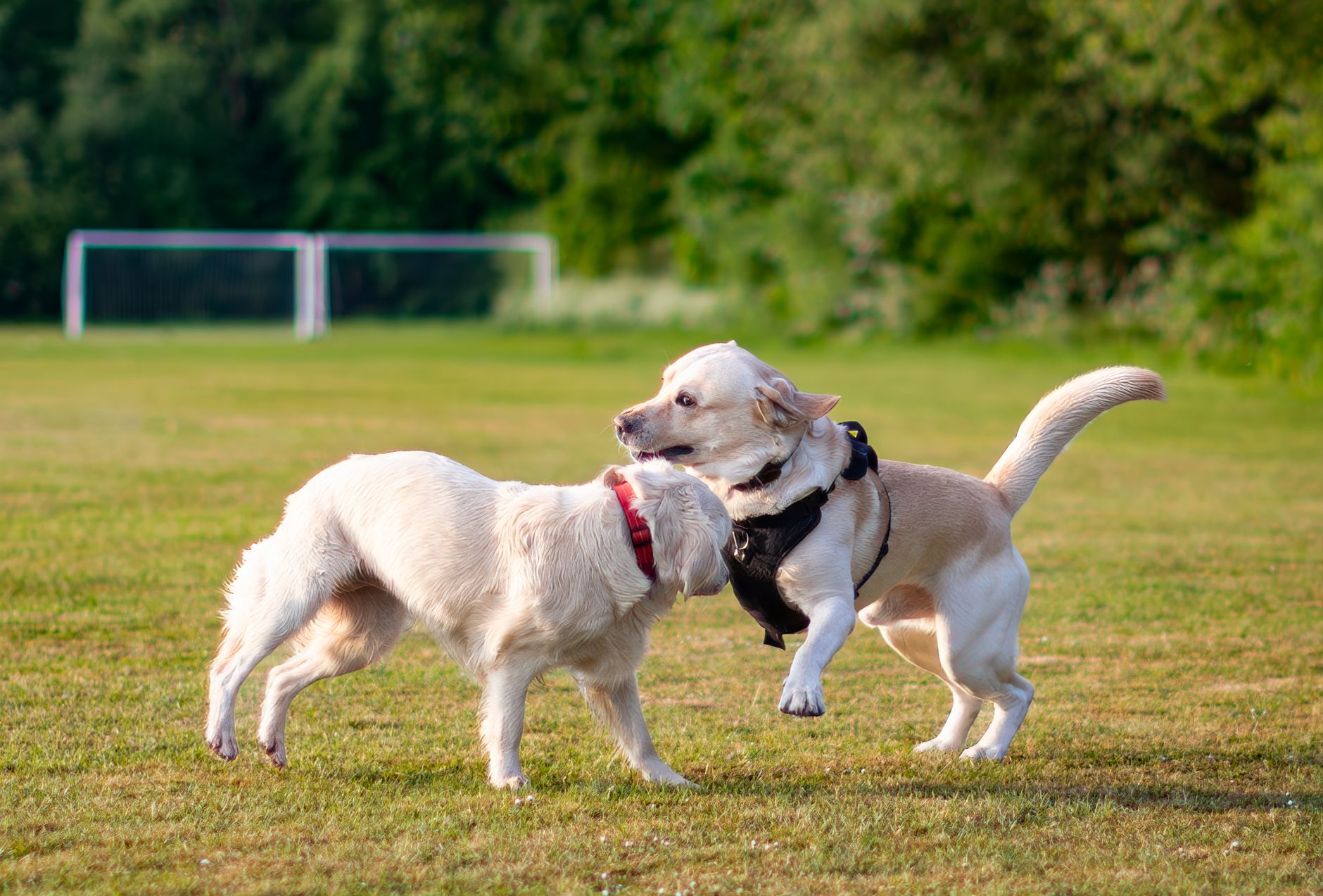
Canine separation anxiety can manifest in various ways, including excessive barking, howling, pacing, and destructive behaviors such as chewing or digging. If you suspect that your dog is suffering from canine separation anxiety, it is essential to consult with a professional dog trainer or behaviorist to develop a customized plan to address this issue. In addition to seeking professional help, there are several strategies that you can try to alleviate your dog’s separation anxiety, such as providing mental stimulation, increasing exercise, and creating a calm environment. You can also learn more about modifying dog hyperactivity and calming dog anxiety to better support your dog’s emotional well-being.
Understanding the Causes of Canine Separation Anxiety
The exact causes of canine separation anxiety are not fully understood, but research suggests that it may be linked to changes in a dog’s environment, such as a move to a new home, the loss of a family member, or a change in work schedule. Dogs that are prone to anxiety or have a history of trauma may also be more susceptible to developing canine separation anxiety. It is crucial to identify the underlying causes of your dog’s separation anxiety to develop an effective treatment plan. You can also learn more about overcoming canine phobias and how to address underlying fears that may be contributing to your dog’s separation anxiety.
Symptoms and Signs of Canine Separation Anxiety
The symptoms of canine separation anxiety can vary in severity and may include excessive barking, howling, or whining, destructive behaviors such as chewing or digging, pacing or restlessness, and increased salivation or panting. If you notice any of these symptoms in your dog, it is essential to seek professional help to address the underlying causes of the behavior. You can also learn more about the environmental impact on dog behavior and how to create a calm and supportive environment for your dog.
Treatment and Management of Canine Separation Anxiety
Treatment and management of canine separation anxiety typically involve a combination of behavioral modification techniques, such as desensitization and counterconditioning, and environmental changes, such as providing a calm and comfortable space for your dog to relax. You can also try providing mental stimulation and increasing exercise to help reduce your dog’s stress and anxiety levels. For more information on canine separation anxiety, you can visit Canine Separation Anxiety resources to learn more about this condition and how to support your dog’s emotional well-being.
In conclusion, canine separation anxiety is a common behavioral issue that can be challenging to manage, but with the right strategies and support, you can help your dog feel more comfortable and secure when left alone. By understanding the root causes and symptoms of canine separation anxiety, you can develop an effective treatment plan to address this issue and provide your dog with the care and support they need to thrive. Remember to always seek professional help if you suspect that your dog is suffering from canine separation anxiety, and don’t hesitate to reach out to a professional dog trainer or behaviorist for guidance and support.