
Understanding the canine social hierarchy is crucial for dog owners and enthusiasts alike. This complex system governs the interactions between dogs, influencing their behavior, communication, and even emotional well-being. By recognizing the dynamics of canine social hierarchy, individuals can better navigate the world of canine relationships, fostering a more harmonious and balanced environment for their pets. The concept of dominance and submission plays a significant role in shaping the social structure of dogs, and grasping this idea can help prevent conflicts and promote a more peaceful coexistence.
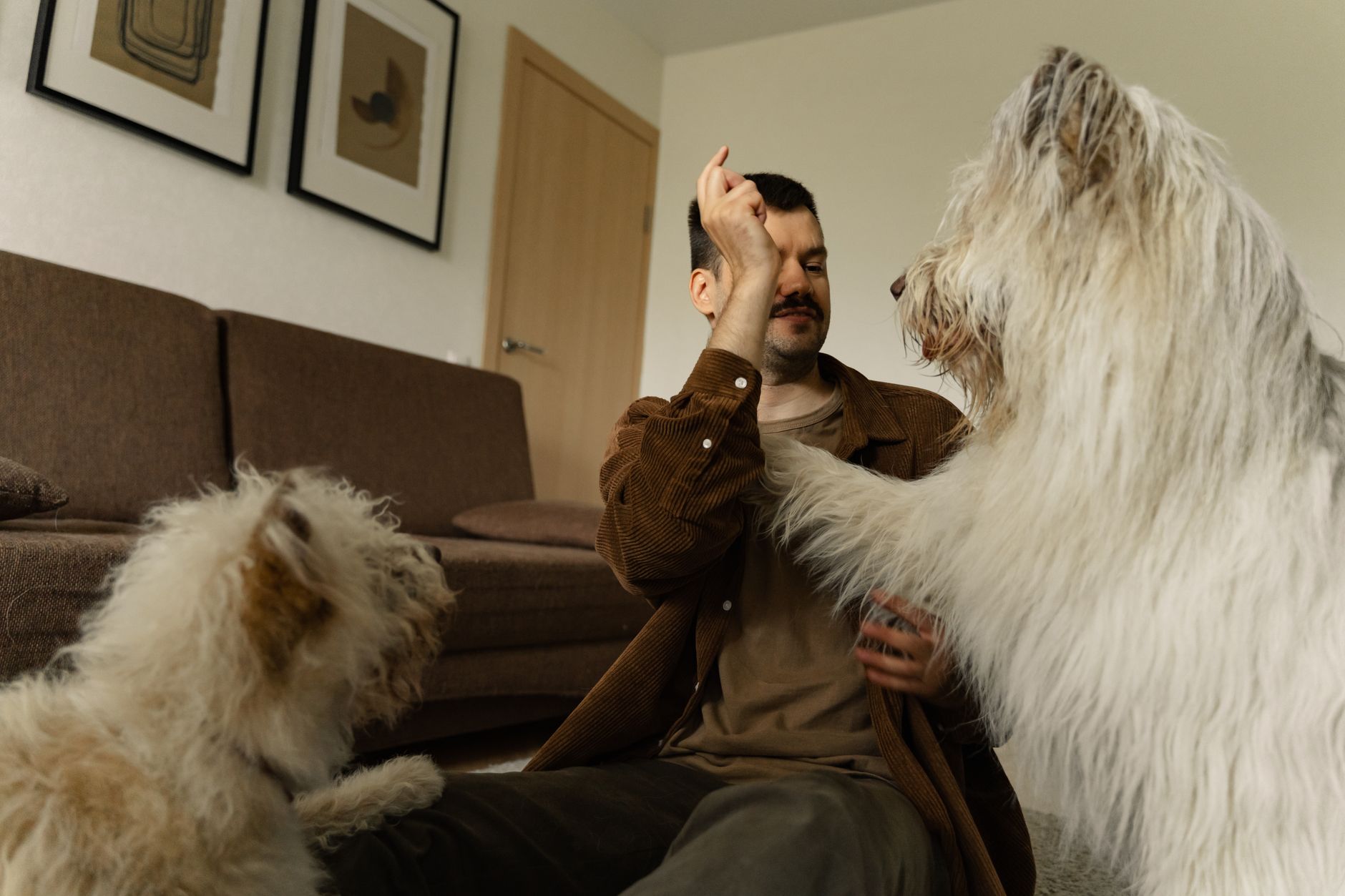
The canine social hierarchy is not a fixed or rigid system, but rather a dynamic and flexible structure that can change over time. As dogs interact with each other, they establish a pecking order, with dominant individuals leading the way and submissive ones following. This hierarchy can be influenced by various factors, including breed, size, age, and temperament. By understanding these factors, dog owners can take steps to promote a healthy and balanced canine social hierarchy in their households. Moreover, recognizing the signs of canine aggression can help prevent conflicts and ensure a more peaceful environment for all.
Introduction to Canine Social Hierarchy
The concept of canine social hierarchy is rooted in the evolutionary history of dogs. In the wild, dogs lived in packs, with a clear hierarchy governing their interactions. This social structure allowed for effective communication, cooperation, and conflict resolution. Similarly, in domestic settings, understanding the canine social hierarchy can help dog owners manage their pets’ behavior and prevent problems such as dog anxiety triggers. By recognizing the importance of socialization, particularly puppy socialization, individuals can lay the foundation for a well-adjusted and well-behaved dog.
Key Components of Canine Social Hierarchy
The canine social hierarchy is composed of several key components, including dominance, submission, and pack dynamics. Dominant dogs tend to assert their authority, while submissive dogs yield to their dominant counterparts. This dynamic can be observed in various aspects of canine behavior, such as resource guarding, territorial marking, and social interactions. A comprehensive understanding of these components can help dog owners navigate the complexities of canine social hierarchy and promote a more harmonious environment for their pets. For a deeper understanding of the evolution of canine social behavior, visit The Evolution of Canine Social Behaviour on Open Library.
Implications of Canine Social Hierarchy for Dog Owners
Recognizing the importance of canine social hierarchy can have significant implications for dog owners. By understanding the dynamics of dominance and submission, individuals can take steps to prevent conflicts and promote a more balanced environment for their pets. This includes providing adequate socialization, training, and exercise, as well as managing resources and territory. Moreover, being aware of the signs of canine social hierarchy can help dog owners identify potential problems and address them before they escalate. Some key takeaways for dog owners include:
- Providing adequate socialization and training to promote a well-adjusted dog
- Managing resources and territory to prevent conflicts
- Recognizing the signs of dominance and submission to promote a balanced environment
- Addressing potential problems before they escalate
By embracing these strategies, dog owners can foster a more harmonious and balanced environment for their pets, rooted in a deep understanding of the canine social hierarchy.
In conclusion, the canine social hierarchy is a complex and dynamic system that governs the interactions between dogs. By recognizing the importance of dominance, submission, and pack dynamics, dog owners can promote a more balanced and harmonious environment for their pets. Through adequate socialization, training, and management of resources and territory, individuals can prevent conflicts and foster a deeper understanding of the canine social hierarchy. As we continue to explore the intricacies of canine behavior, it is essential to remember that every dog is unique, and their place within the canine social hierarchy will depend on a variety of factors. By staying informed and adaptable, dog owners can navigate the complexities of canine social hierarchy and provide the best possible life for their beloved pets.