
Decoding canine body language is an essential aspect of understanding our furry friends’ behavior and emotions. By recognizing the various signs and signals that dogs use to communicate, we can strengthen our bond with them and create a more harmonious relationship. Canine body language is a complex system that involves a range of vocalizations, facial expressions, and bodily postures, all of which convey important information about a dog’s mood, intentions, and emotional state.
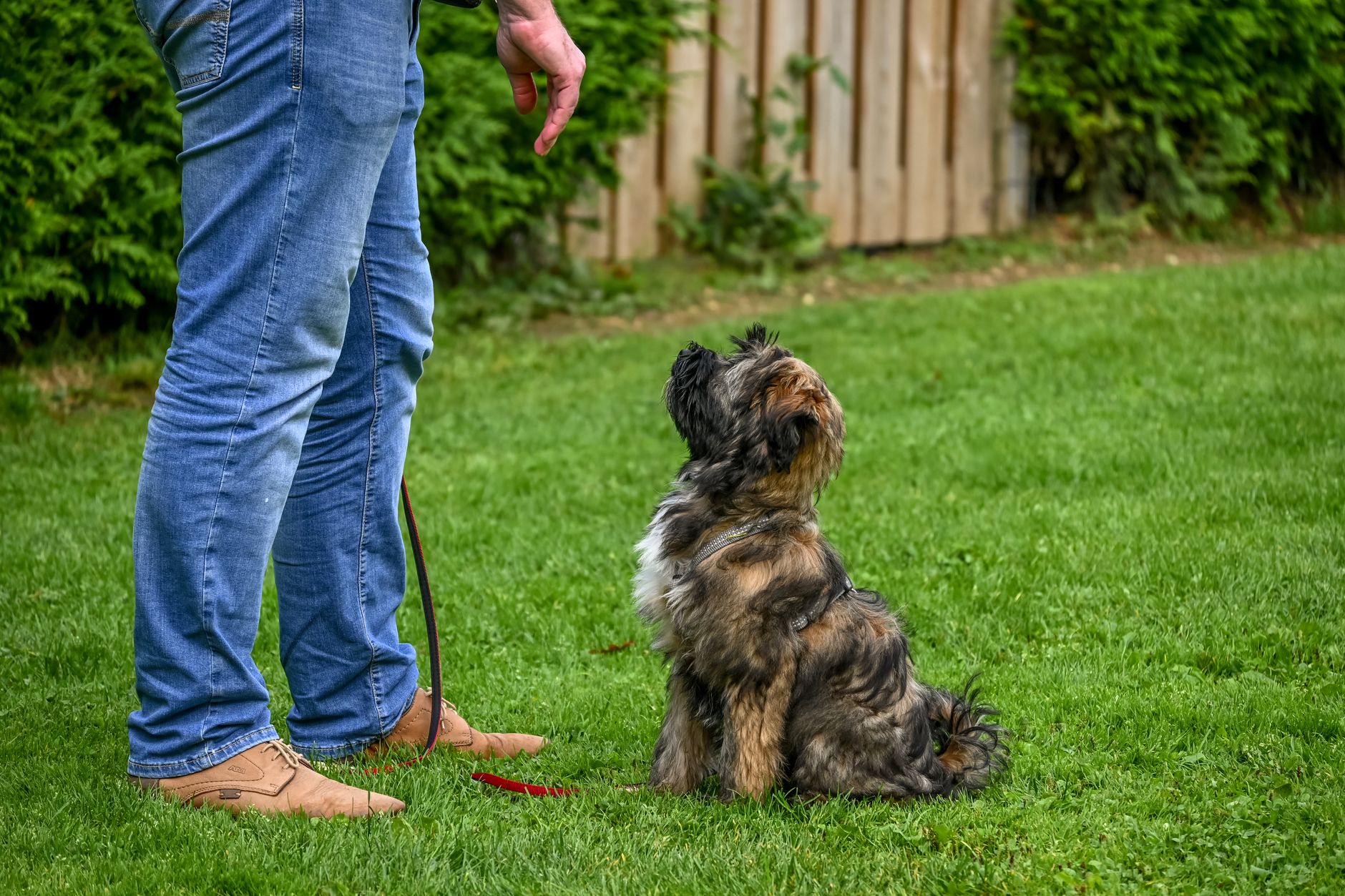
As we delve into the world of canine body language, it becomes clear that dogs are highly attuned to their environment and the creatures within it. They use a range of cues, including ear positions, tail wagging, and scent marking, to convey information and navigate social situations. By paying attention to these signals, we can gain a deeper understanding of our dogs’ needs, desires, and emotions, and respond in a way that is supportive and empathetic. For more information on how to develop dog empathy, visit our article on the topic.
Understanding Canine Communication
Canine body language is a vital component of dog communication, and it plays a crucial role in shaping their social interactions and relationships. Dogs use a range of vocalizations, including barks, whines, and growls, to convey information and express emotions. They also use facial expressions, such as raised eyebrows or a relaxed jaw, to signal friendliness or aggression. By recognizing these signs and signals, we can better understand our dogs’ needs and respond in a way that is supportive and nurturing.
Decoding Canine Postures
Canine postures are an essential aspect of canine body language, and they can convey a wealth of information about a dog’s mood, intentions, and emotional state. A relaxed dog will typically display a loose, open posture, with their ears up and their tail wagging freely. In contrast, a dog that is feeling anxious or fearful may display a more closed, defensive posture, with their ears back and their tail tucked between their legs. By recognizing these postures, we can gain a better understanding of our dogs’ emotional state and respond in a way that is supportive and calming.
Recognizing Canine Stress Signals
Canine stress signals are an important aspect of canine body language, and they can indicate that a dog is feeling overwhelmed or anxious. These signals may include panting, yawning, or avoiding eye contact, and they can be a sign that a dog needs space or support. By recognizing these signals, we can take steps to reduce our dog’s stress and create a more peaceful, calming environment. For more information on how to recognize and respond to canine stress signals, visit our article on dog play behavior.
As we explore the complex world of canine body language, it becomes clear that dogs are highly attuned to their environment and the creatures within it. By recognizing the various signs and signals that dogs use to communicate, we can strengthen our bond with them and create a more harmonious relationship. For more information on canine body language, visit this resource on the topic.
Applying Canine Body Language in Real-Life Situations
Canine body language is not just a theoretical concept; it has real-life applications and implications. By recognizing and responding to canine body language, we can create a safer, more supportive environment for our dogs. For example, if we notice that our dog is displaying signs of anxiety or fear, we can take steps to reduce their stress and create a more calming atmosphere. Similarly, if we recognize that our dog is feeling playful or energetic, we can engage them in activities that meet their needs and provide them with the exercise and stimulation they require.
- Recognize and respond to canine stress signals
- Use positive reinforcement training techniques to encourage good behavior
- Create a safe and supportive environment that meets your dog’s needs
In conclusion, decoding canine body language is an essential aspect of understanding our furry friends’ behavior and emotions. By recognizing the various signs and signals that dogs use to communicate, we can strengthen our bond with them and create a more harmonious relationship. Whether you’re a seasoned dog owner or just starting out, understanding canine body language is a valuable skill that can help you navigate the complex world of dog behavior and create a happier, healthier relationship with your furry friend.