
Dog play behavior is a vital aspect of a dog’s life, serving as a means of exercise, socialization, and stress relief. It is more than just fun; it plays a crucial role in shaping a dog’s personality, behavior, and overall well-being. Understanding dog play behavior can help owners provide their pets with the right environment and stimulation to thrive. By recognizing the different types of play behavior, such as chasing, fetching, and tug-of-war, owners can tailor their interactions to meet their dog’s unique needs and preferences.
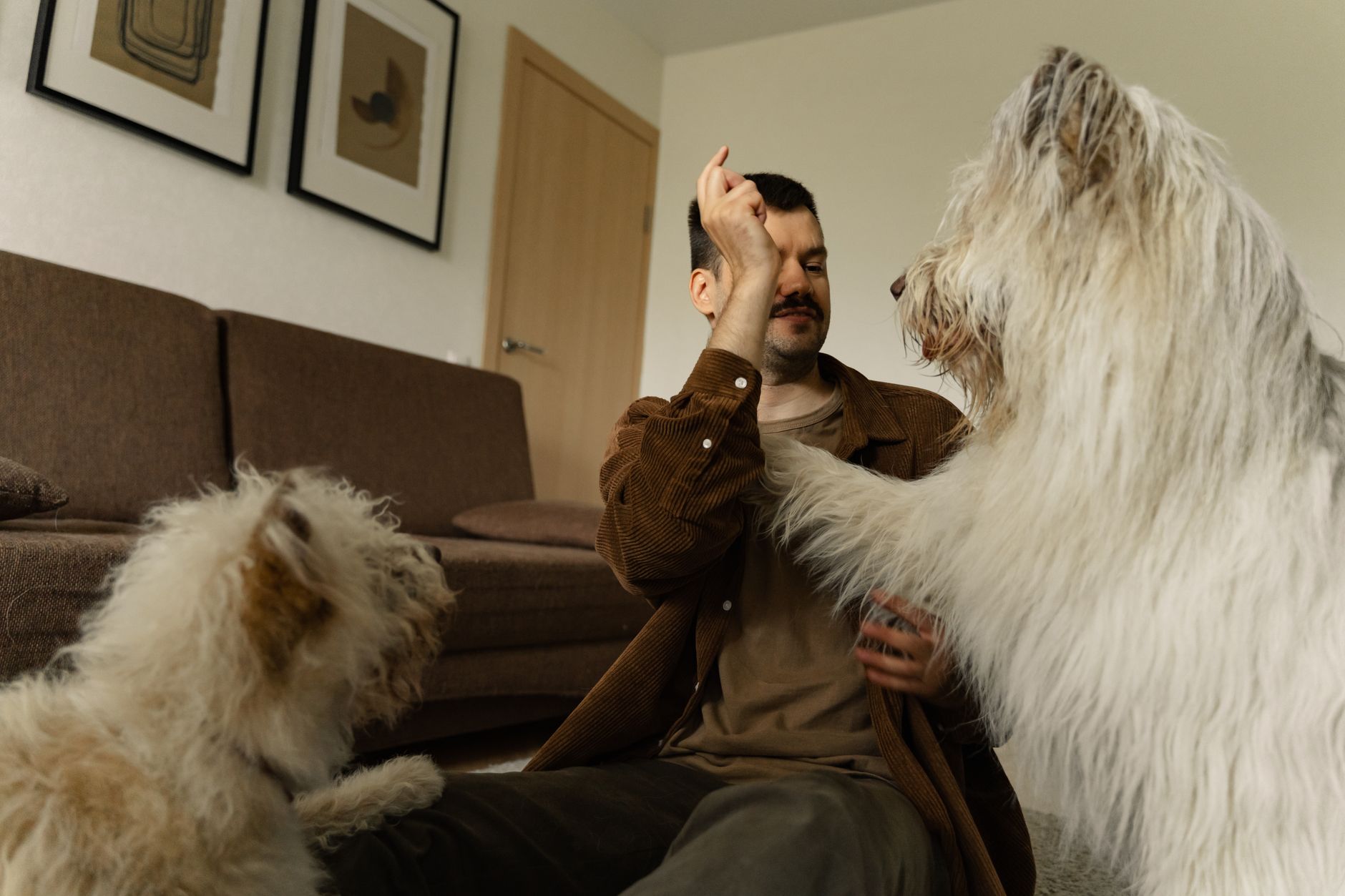
As dogs engage in play, they exhibit various behaviors that are essential to their development and socialization. For instance, play-fighting and roughhousing help dogs learn important skills like boundaries, self-control, and communication. Moreover, dog play behavior can be an indicator of a dog’s emotional state, with changes in play patterns potentially signaling underlying issues, such as dog behavioral disorders. By being aware of these changes, owners can take proactive steps to address any emerging problems and ensure their dog’s overall health and happiness.
Understanding Canine Play Behavior
Canine play behavior is a complex and multifaceted phenomenon, influenced by a range of factors, including breed, age, size, and individual personality. Dogs have an innate instinct in dog behavior that drives them to engage in play, which is essential for their physical and mental well-being. Play allows dogs to exercise their natural instincts, such as chasing and hunting, in a safe and controlled environment. Furthermore, play helps dogs develop essential social skills, such as cooperation, communication, and conflict resolution, which are vital for building strong relationships with their human family and other dogs.
The Role of Communication in Dog Play Behavior
Effective communication is critical to successful play interactions between dogs and their human companions. Dogs use a range of signals, including body language, vocalizations, and scent marking, to convey their intentions and emotions during play. Canine communication is a sophisticated system that allows dogs to negotiate play, resolve conflicts, and maintain social bonds. By understanding and responding to these signals, owners can create a positive and engaging play environment that meets their dog’s needs and fosters a deeper connection between species.
In addition to nonverbal cues, dogs also use canine vocalizations to communicate during play. Different types of vocalizations, such as barks, whines, and growls, can convey various emotions and intentions, from excitement and enthusiasm to fear and aggression. By recognizing and interpreting these vocalizations, owners can better understand their dog’s emotional state and adjust their play interactions accordingly.
Factors Influencing Dog Play Behavior
A range of factors can influence dog play behavior, including breed, age, size, and individual personality. For example, high-energy breeds, such as Border Collies and Australian Shepherds, tend to require more intense and frequent play sessions than lower-energy breeds, such as Bulldogs and Pugs. Similarly, puppies and young dogs may engage in more rough-and-tumble play than older dogs, who may prefer more gentle and low-impact activities. By considering these factors, owners can tailor their play interactions to meet their dog’s unique needs and preferences, ensuring a fun and engaging experience for both parties.
For more information on dog play behavior, you can visit the Canine Play Behavior page on Open Library, which provides a comprehensive overview of the topic. By understanding and appreciating the complexities of dog play behavior, owners can create a more positive and engaging play environment that meets their dog’s physical, emotional, and social needs.
Benefits of Dog Play Behavior
- Improves physical health and fitness
- Enhances mental well-being and reduces stress
- Strengthens social bonds between dogs and their human family
- Provides essential training and socialization opportunities
- Supports cognitive development and problem-solving skills
In conclusion, dog play behavior is a vital aspect of a dog’s life, offering numerous benefits for their physical, emotional, and social well-being. By understanding and appreciating the complexities of dog play behavior, owners can create a more positive and engaging play environment that meets their dog’s unique needs and preferences, fostering a deeper connection between species and promoting a happier, healthier life for their canine companion.