
Dog training is an essential aspect of dog ownership, and one of the most critical components of dog training is impulse control dog training. Impulse control refers to a dog’s ability to regulate its emotions and behaviors, especially in situations that trigger excitement, anxiety, or fear. Without proper impulse control dog training, dogs may exhibit undesirable behaviors such as jumping, barking, or even aggression. In this article, we will explore the importance of impulse control dog training and provide tips on how to train your dog to develop better impulse control.
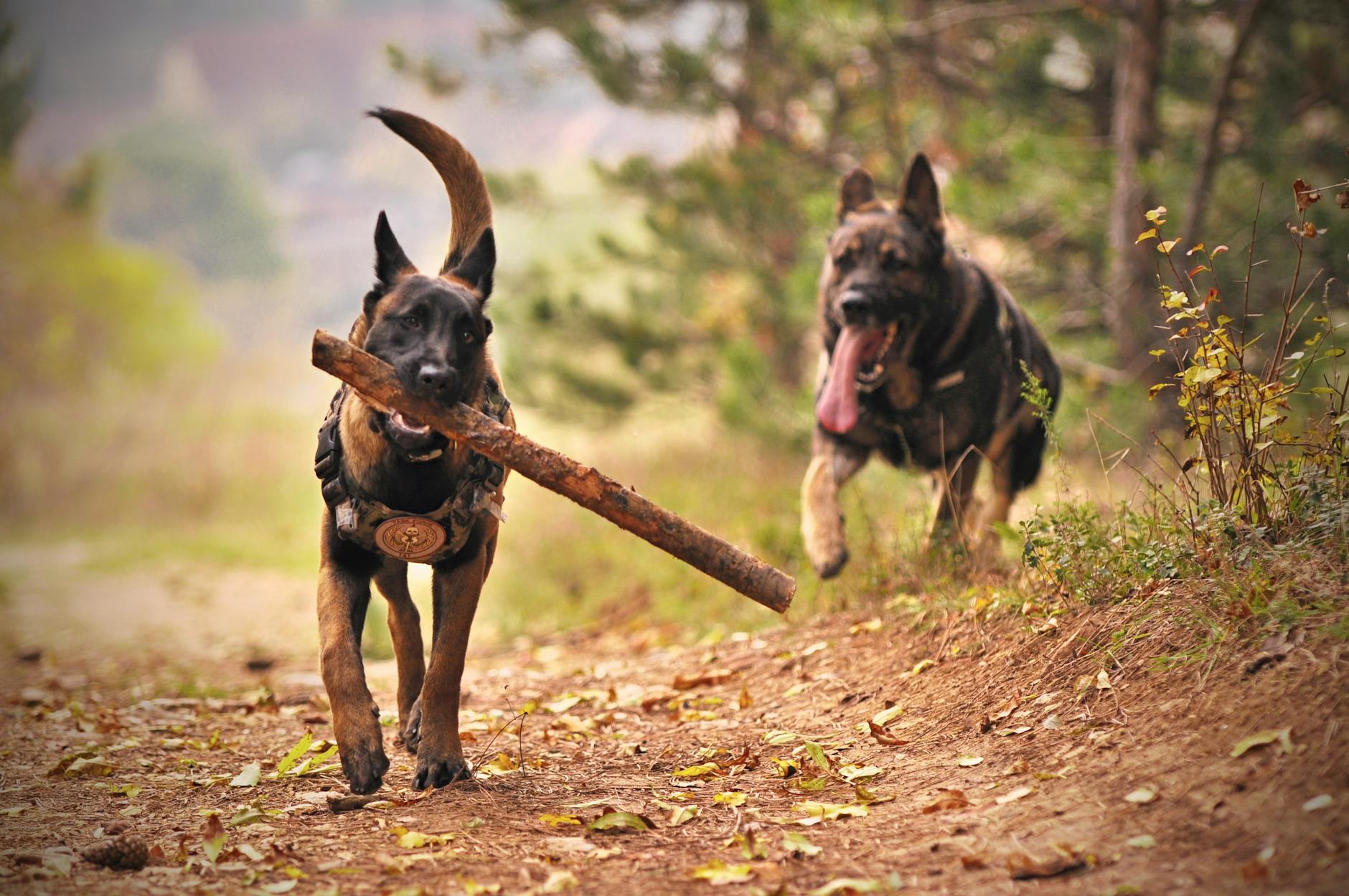
Impulse control dog training is not just about teaching your dog to behave; it’s also about building a strong bond between you and your dog. By training your dog to control its impulses, you can help prevent unwanted behaviors and create a more harmonious relationship. For example, if your dog has a tendency to pull on the leash during walks, you can use leash walking dog training to teach your dog to walk by your side without pulling. Similarly, if your dog gets easily distracted during training sessions, you can use whistle training for dogs to grab its attention and refocus its mind.
Understanding Impulse Control in Dogs
Impulse control in dogs is closely linked to emotional regulation. Dogs that lack impulse control may exhibit impulsive behaviors such as jumping, barking, or chasing after small animals. These behaviors can be frustrating for dog owners and may even lead to safety issues. To address impulse control issues in dogs, it’s essential to understand the underlying causes of these behaviors. For example, if your dog is jumping up on people, it may be due to excess energy or attention-seeking behavior. By identifying the root cause of the behavior, you can develop a training plan that addresses the underlying issue and helps your dog develop better impulse control.
Training Techniques for Impulse Control
There are several training techniques that can help dogs develop better impulse control. One of the most effective techniques is positive reinforcement training, which focuses on rewarding desired behaviors rather than punishing undesired ones. Positive reinforcement training can be used to teach dogs a range of skills, from basic obedience commands to complex behaviors such as large breed dog training. By using positive reinforcement techniques, you can help your dog develop better impulse control and reduce unwanted behaviors.
In addition to positive reinforcement training, there are several other techniques that can help dogs develop better impulse control. These include redirection, which involves redirecting your dog’s attention away from a trigger or stimulus, and desensitization, which involves gradually exposing your dog to a trigger or stimulus in a controlled and safe environment. By using these techniques in combination with impulse control dog training, you can help your dog develop better emotional regulation and reduce impulsive behaviors.
Benefits of Impulse Control Dog Training
Impulse control dog training offers a range of benefits for dogs and their owners. By teaching your dog to control its impulses, you can help prevent unwanted behaviors and create a more harmonious relationship. Impulse control dog training can also help reduce stress and anxiety in dogs, which can lead to a range of health problems if left unaddressed. Additionally, impulse control dog training can help improve your dog’s focus and attention, making it easier to train and interact with your dog. For more information on impulse control and dog training, you can visit Impulse Control B on Open Library.
In conclusion, impulse control dog training is an essential aspect of dog ownership. By teaching your dog to control its impulses, you can help prevent unwanted behaviors and create a more harmonious relationship. Whether you’re dealing with a puppy or an adult dog, impulse control dog training can help improve your dog’s emotional regulation and reduce impulsive behaviors. By using techniques such as positive reinforcement training, redirection, and desensitization, you can help your dog develop better impulse control and improve your overall relationship with your dog.
- Start with basic obedience commands and gradually move on to more complex behaviors
- Use positive reinforcement techniques to reward desired behaviors
- Be patient and consistent when training your dog
- Seek professional help if you’re dealing with severe impulse control issues
By following these tips and using impulse control dog training techniques, you can help your dog develop better impulse control and improve your overall relationship with your dog. Remember to always be patient and consistent when training your dog, and don’t hesitate to seek professional help if you’re dealing with severe impulse control issues. With time and practice, you can help your dog develop better impulse control and enjoy a more harmonious and rewarding relationship.