
Understanding canine attachment is crucial for dog owners who want to build a strong and healthy relationship with their pets. Canine attachment refers to the bond between a dog and its human family, which is essential for the dog’s emotional and behavioral well-being. A strong canine attachment can lead to a happier and more well-adjusted dog, while a weak attachment can result in behavioral problems and anxiety. In this article, we will explore the concept of canine attachment and its importance in dog health and human connection.
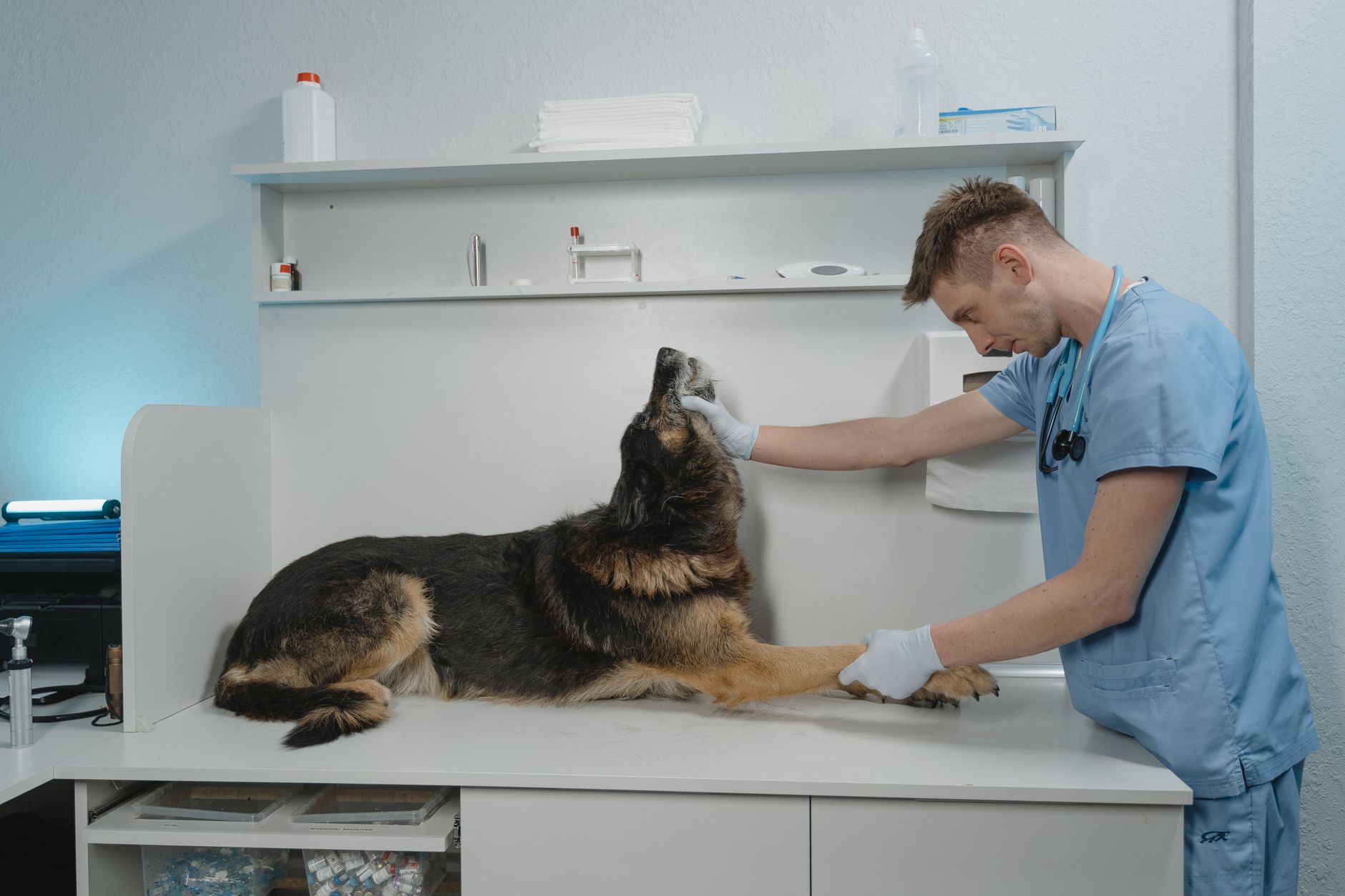
The concept of canine attachment is closely related to the dog human connection, which is built on trust, communication, and mutual understanding. A strong canine attachment requires a deep understanding of canine behavior, body language, and emotional needs. By building a strong bond with their dogs, owners can promote a sense of security and belonging, which is essential for the dog’s emotional well-being. In addition to the dog human connection, canine attachment is also influenced by the dog social bond, which refers to the relationships between dogs and their human and animal companions.
What is Canine Attachment?
Canine attachment is a complex phenomenon that involves multiple factors, including genetics, environment, and socialization. Research has shown that dogs are capable of forming strong emotional bonds with their human caregivers, which can have a significant impact on their behavior and well-being. A strong canine attachment can lead to improved obedience, reduced anxiety, and enhanced social skills. On the other hand, a weak canine attachment can result in behavioral problems, such as aggression, fear, and separation anxiety.
Factors that Influence Canine Attachment
Several factors can influence the strength of canine attachment, including the dog’s breed, age, and temperament. For example, some breeds, such as Labrador Retrievers and Golden Retrievers, are known for their strong attachment to their human families, while others, such as Bulldogs and Pugs, may be more independent. Additionally, the dog’s early socialization and training can play a significant role in shaping its attachment style. Owners who provide a nurturing and supportive environment, with plenty of positive reinforcement and social interaction, can foster a strong canine attachment. The dog ownership benefits are numerous, and a strong canine attachment is one of the most significant advantages of dog ownership.
Building a Strong Canine Attachment
Building a strong canine attachment requires a deep understanding of canine behavior and emotional needs. Owners can promote a strong attachment by providing a stable and predictable environment, with plenty of positive reinforcement and social interaction. According to the American Kennel Club, dogs thrive on routine and predictability, and owners who provide a consistent and nurturing environment can foster a strong canine attachment. Some tips for building a strong canine attachment include:
- Providing regular exercise and mental stimulation
- Engaging in positive reinforcement training
- Spending quality time with your dog
- Providing a stable and predictable environment
- Showing affection and physical touch
In conclusion, understanding canine attachment is essential for building a strong and healthy relationship with your dog. By providing a nurturing and supportive environment, with plenty of positive reinforcement and social interaction, owners can foster a strong canine attachment. A strong canine attachment can lead to improved obedience, reduced anxiety, and enhanced social skills, and is an essential aspect of dog health and human connection.