
Teaching your dog basic obedience commands is an essential part of dog training and behavior. It lays the foundation for a strong bond between you and your dog, and it helps to ensure your dog’s safety and well-being. With patience, consistency, and positive reinforcement, you can teach your dog to respond to various commands, from simple ones like “sit” and “stay” to more complex ones like “heel” and “come.” By mastering basic obedience commands, you’ll be able to communicate effectively with your dog and enjoy a more rewarding relationship.
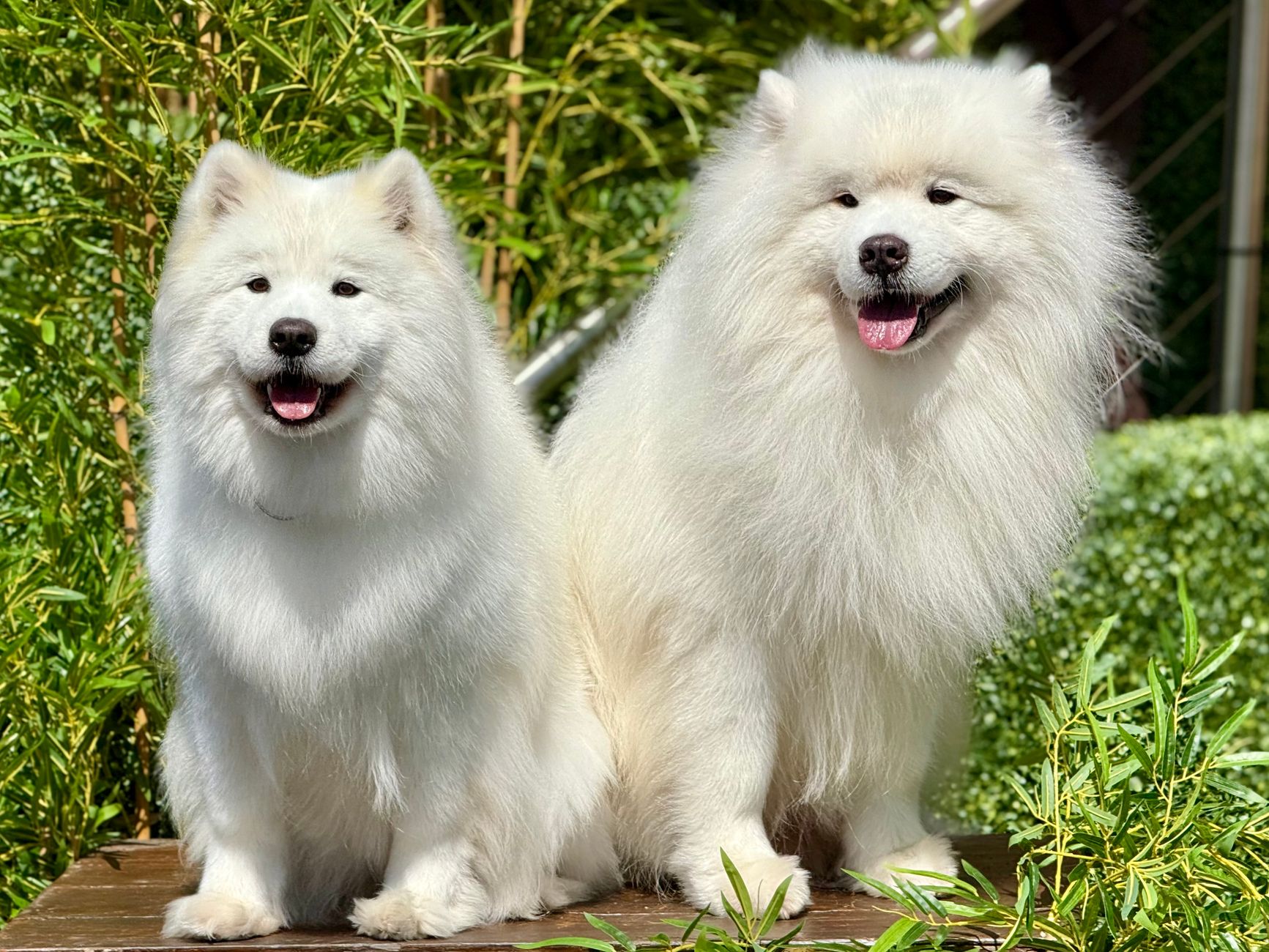
When it comes to teaching basic obedience commands, it’s essential to use a combination of positive reinforcement techniques, such as treats, praise, and affection, to encourage good behavior. You can learn more about positive reinforcement training and how it can help you build a strong foundation for your dog’s training. Additionally, socialization is a critical aspect of dog training, and you can learn more about socialization techniques for dogs to help your dog become confident and calm in new environments.
Introduction to Basic Obedience Commands
Mastering basic obedience commands is a crucial step in dog training, and it’s essential to start with simple commands and gradually move on to more complex ones. Some of the most common basic obedience commands include “sit,” “stay,” “come,” “heel,” and “leave it.” These commands can help you establish a strong bond with your dog and ensure their safety and well-being. By teaching your dog to respond to these commands, you’ll be able to communicate effectively and enjoy a more rewarding relationship.
Benefits of Teaching Basic Obedience Commands
Teaching your dog basic obedience commands has numerous benefits, including improved communication, increased safety, and enhanced bonding. By mastering these commands, you’ll be able to communicate effectively with your dog, and they’ll be able to respond to your cues in a variety of situations. Additionally, teaching basic obedience commands can help reduce fear-based behaviors in dogs, and you can learn more about fear-based behaviors in dogs and how to address them. For dogs that enjoy physical activity, agility training for dogs can be a great way to challenge them physically and mentally.
Common Challenges When Teaching Basic Obedience Commands
When teaching basic obedience commands, you may encounter some common challenges, such as distractions, lack of focus, and inconsistent training. To overcome these challenges, it’s essential to be patient, consistent, and positive, and to use a variety of training techniques to keep your dog engaged and motivated. You can also find helpful resources, such as a step-by-step guide to teaching your dog new commands, to help you on your training journey.
Advanced Basic Obedience Commands
Once your dog has mastered the basic commands, you can move on to more advanced basic obedience commands, such as “stay close,” “wait,” and “back up.” These commands can help you refine your dog’s skills and improve your communication. By gradually increasing the difficulty of the commands and introducing new challenges, you can help your dog become a well-behaved and well-trained companion.
Tips for Teaching Advanced Basic Obedience Commands
When teaching advanced basic obedience commands, it’s essential to be patient, consistent, and positive, and to use a variety of training techniques to keep your dog engaged and motivated. You can use a combination of verbal cues, hand signals, and rewards to help your dog learn new commands. Additionally, you can practice training in different locations and environments to help your dog generalize their learning and respond to commands in a variety of situations.
In conclusion, teaching your dog basic obedience commands is an essential part of dog training and behavior, and it’s a crucial step in building a strong bond with your dog. By mastering these commands, you’ll be able to communicate effectively, ensure your dog’s safety and well-being, and enjoy a more rewarding relationship. With patience, consistency, and positive reinforcement, you can help your dog become a well-behaved and well-trained companion, and you can learn more about basic obedience commands and how to teach them by exploring the various resources available on dog training and behavior.
- Start with simple commands and gradually move on to more complex ones
- Use positive reinforcement techniques, such as treats, praise, and affection
- Practice training in different locations and environments
- Be patient, consistent, and positive, and use a variety of training techniques to keep your dog engaged and motivated