
As a dog owner, it’s essential to be aware of the potential health issues that can affect your furry friend, including dog dementia signs. Canine cognitive dysfunction, also known as dog dementia, is a condition that affects a dog’s brain, leading to cognitive decline and behavioral changes. Recognizing the signs of dog dementia is crucial to provide your dog with the necessary care and support. If you’re concerned about your dog’s health, it’s also important to be aware of other potential health issues, such as diabetes in dogs and dog heart disease.
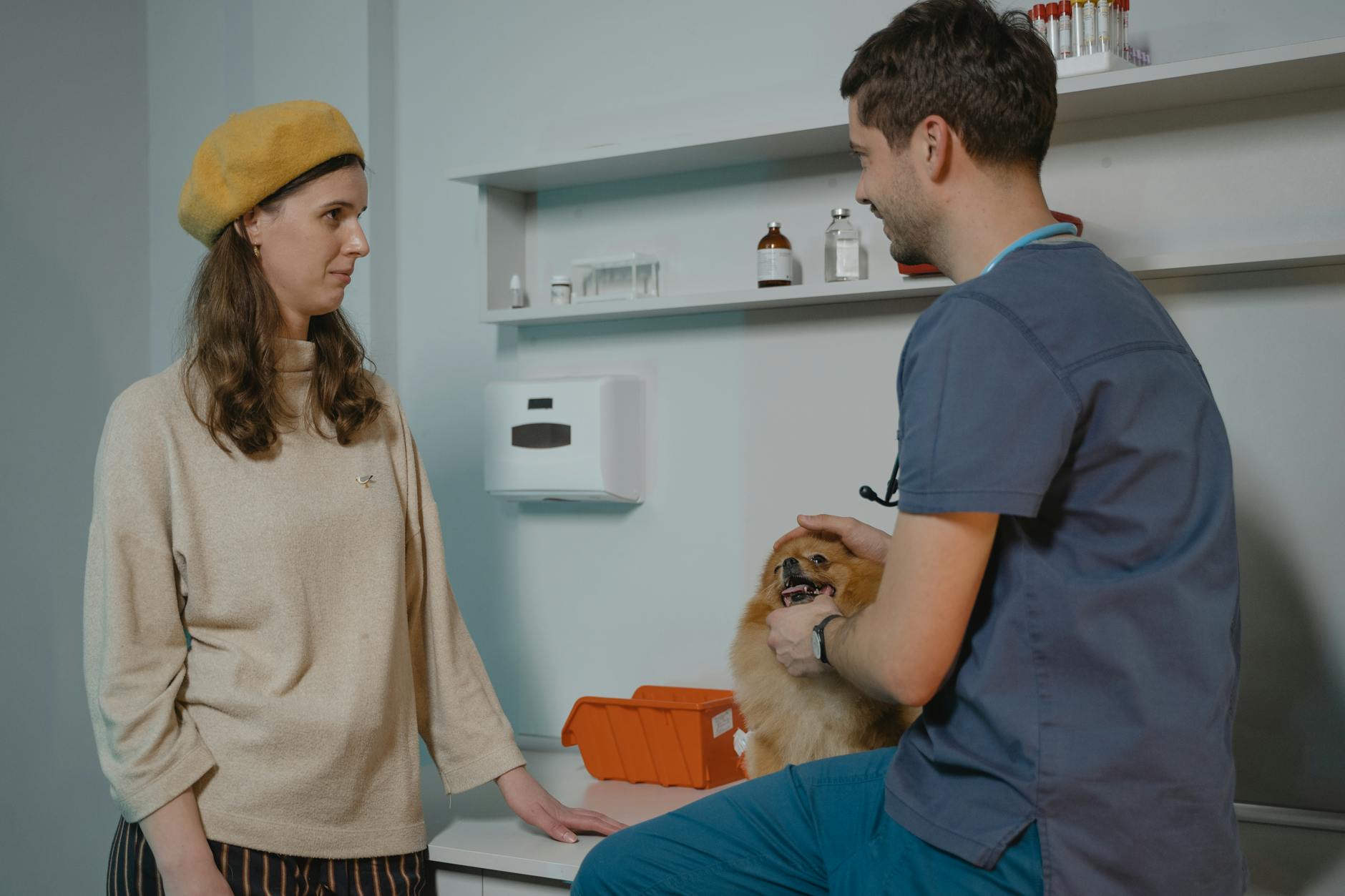
Understanding dog dementia signs is vital to provide your dog with the best possible care. Dog dementia can be a challenging condition to diagnose, as the symptoms can be similar to those of other health issues. However, by being aware of the common signs of dog dementia, you can seek veterinary care early on and improve your dog’s quality of life. Regular canine vaccination and maintaining a healthy weight can also help prevent other health issues, such as dog obesity impact on overall health.
Common Signs of Dog Dementia
Dog dementia signs can vary from dog to dog, but some common symptoms include disorientation, confusion, and changes in behavior. Your dog may become more anxious or fearful, and may exhibit repetitive behaviors, such as pacing or staring. In some cases, dog dementia can also lead to changes in appetite, sleep patterns, and elimination habits. If you notice any of these symptoms in your dog, it’s essential to consult with your veterinarian to rule out other potential health issues.
Causes and Risk Factors of Dog Dementia
The exact causes of dog dementia are not fully understood, but research suggests that it may be related to a combination of genetic, environmental, and age-related factors. Older dogs are more likely to develop dog dementia, and certain breeds, such as Labradors and Golden Retrievers, may be more prone to the condition. Other health issues, such as diabetes in dogs and dog heart disease, may also increase the risk of developing dog dementia.
Diagnosing and Managing Dog Dementia
Diagnosing dog dementia can be challenging, as the symptoms can be similar to those of other health issues. Your veterinarian may perform a physical examination, take a complete medical history, and conduct diagnostic tests, such as blood work and urinalysis, to rule out other potential health issues. If dog dementia is diagnosed, your veterinarian may recommend a combination of lifestyle changes, dietary modifications, and medication to manage the condition. For more information on managing dog dementia, you can consult Coping with Dog Dementia, a comprehensive guide to understanding and managing the condition.
In addition to veterinary care, there are several things you can do to support your dog with dog dementia. Providing a stable and comfortable environment, maintaining a regular routine, and engaging your dog in mental stimulation and exercise can help improve your dog’s quality of life. By being aware of dog dementia signs and taking proactive steps to manage the condition, you can help your dog live a happy and healthy life.
- Provide a stable and comfortable environment
- Maintain a regular routine
- Engage your dog in mental stimulation and exercise
- Consider dietary modifications and supplements
- Seek veterinary care and follow recommended treatment plans
In conclusion, recognizing dog dementia signs is crucial to providing your dog with the necessary care and support. By being aware of the common signs of dog dementia, understanding the causes and risk factors, and taking proactive steps to manage the condition, you can improve your dog’s quality of life and help them live a happy and healthy life.