
The relationship between environment and dog behavior is a complex and fascinating topic. As dog owners, we often wonder how our furry friends perceive and interact with their surroundings. Research has shown that a dog’s environment plays a significant role in shaping its behavior, from the way it responds to commands to its overall temperament. In this article, we will delve into the impact of environment on dog behavior, exploring the various factors that influence canine behavior and providing insights into how we can create a nurturing environment for our dogs.
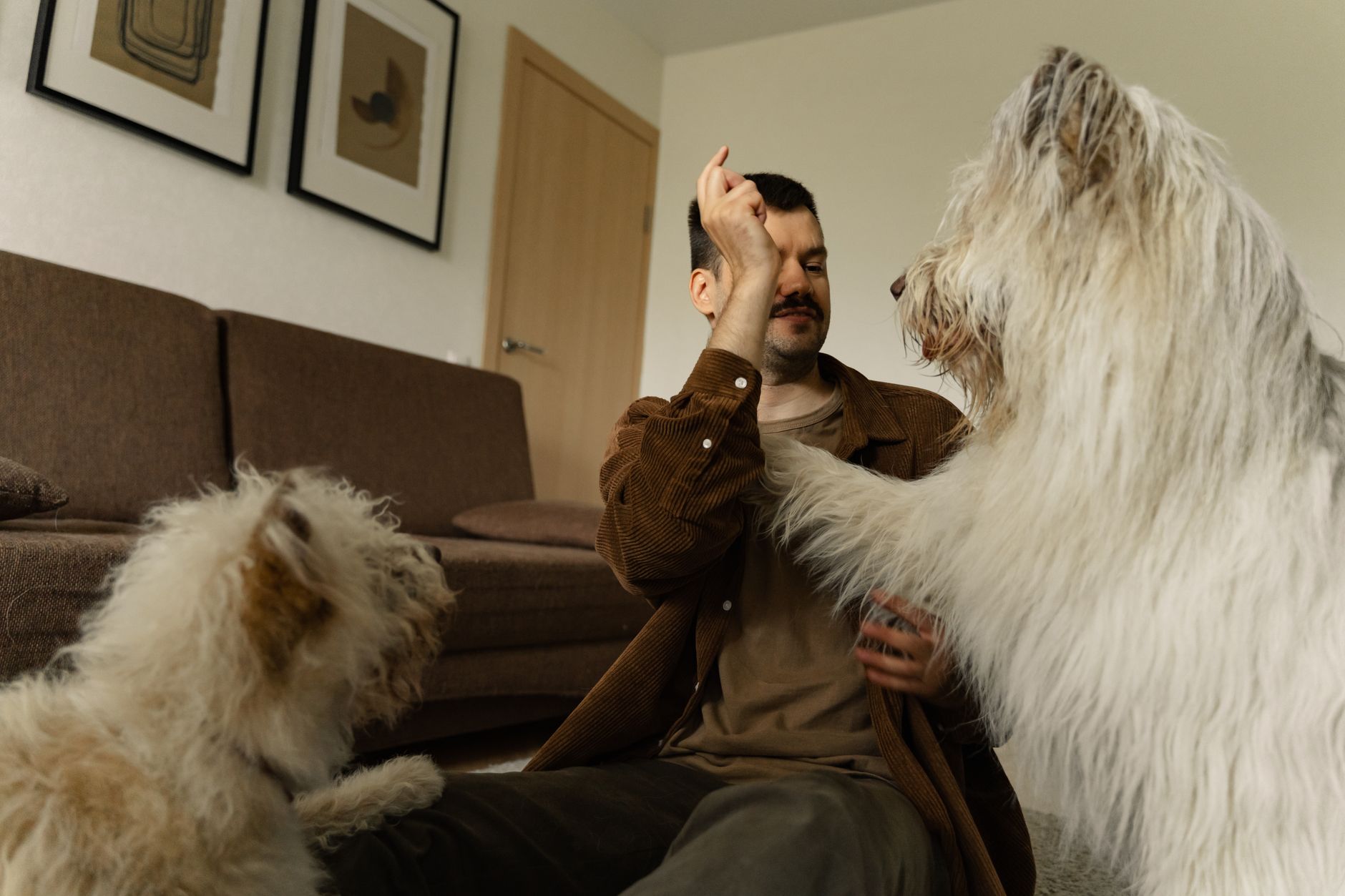
Understanding the connection between environment and dog behavior is crucial for dog owners who want to create a harmonious and balanced relationship with their pets. By recognizing the impact of environmental factors on canine behavior, we can take steps to mitigate potential problems and foster a positive, supportive environment that promotes healthy development and behavior. This includes considering factors such as socialization, training, and exercise, all of which play a significant role in shaping a dog’s behavior and overall well-being.
The Role of Socialization in Shaping Dog Behavior
Socialization is a critical component of a dog’s development, and it plays a significant role in shaping its behavior. Dogs that are well-socialized tend to be more confident, calm, and well-adjusted, while those that are poorly socialized may exhibit anxiety, fear, or aggression. As discussed in our article on dog attachment, socialization is essential for forming strong bonds between dogs and their human caregivers. By exposing our dogs to a variety of environments, people, and experiences, we can help them develop the skills they need to navigate the world with confidence and poise.
Environmental Factors That Influence Dog Behavior
There are numerous environmental factors that can influence dog behavior, including noise, light, and space. For example, dogs that are sensitive to noise may become anxious or fearful in response to loud sounds, while those that are sensitive to light may become overwhelmed or disoriented in bright environments. Additionally, dogs that are confined to small spaces may become restless or frustrated, leading to problem behaviors such as barking or chewing. By understanding these environmental factors and taking steps to mitigate their impact, we can create a more supportive and nurturing environment for our dogs.
As we explore the impact of environment on dog behavior, it’s essential to consider the role of canine communication in shaping our relationships with our dogs. By understanding how dogs communicate with each other and with us, we can better navigate the complexities of dog behavior and create a more harmonious and supportive environment. Furthermore, research in canine cognition has shown that dogs are capable of complex problem-solving and learning, highlighting the importance of providing mental stimulation and challenge in their environment.
Creating a Supportive Environment for Dogs
So, how can we create a supportive environment for our dogs? One approach is to provide a stable and predictable routine, including regular times for feeding, exercise, and play. Additionally, we can take steps to minimize stress and anxiety, such as providing a quiet and comfortable space for our dogs to relax and retreat. It’s also essential to consider the potential for canine aggression and take steps to prevent it, such as socialization and training. For more information on creating a supportive environment for dogs, you can explore resources such as Natural Selection and Social Behavior, which provides insights into the evolutionary factors that shape canine behavior.
In conclusion, the relationship between environment and dog behavior is complex and multifaceted. By understanding the various factors that influence canine behavior and taking steps to create a supportive and nurturing environment, we can promote healthy development and behavior in our dogs. Whether you’re a seasoned dog owner or just starting out, recognizing the impact of environment on dog behavior is essential for building a strong, loving relationship with your pet.
- Provide a stable and predictable routine for your dog
- Minimize stress and anxiety by creating a quiet and comfortable space
- Consider the potential for canine aggression and take steps to prevent it
- Explore resources such as Natural Selection and Social Behavior to deepen your understanding of canine behavior
By following these tips and taking a proactive approach to creating a supportive environment for your dog, you can help promote healthy development and behavior and build a strong, loving relationship with your pet. Remember, the connection between environment and dog behavior is ongoing, and by staying informed and adaptable, you can provide the best possible life for your furry friend.